An AI content architecture, benchmarked against real e-commerce.
Castore is Britain’s fastest-growing sportswear brand. The question was not whether AI could make a nice picture. It was whether it could hold the standard a premium brand actually ships to.
A capability test. This work was a strategic AI capability test, not a commissioned brand campaign. The architecture was developed for Castore and benchmarked against their e-commerce standard.
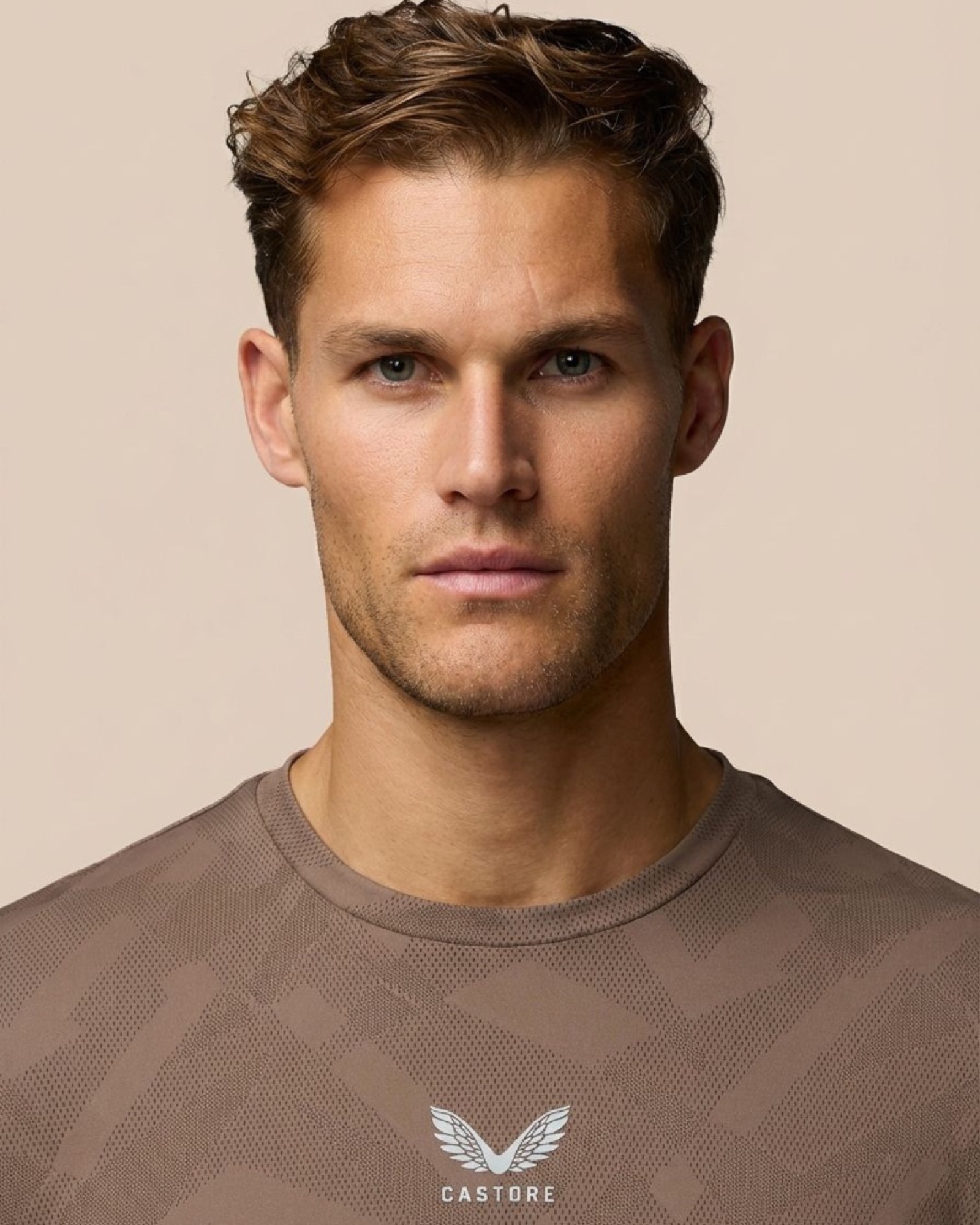
The bar is not a campaign. It is the product page.
Can AI-generated content compete with e-commerce photography on quality?
We were introduced through a mutual contact to run a strategic capability test. Most AI content is judged against a campaign image, where atmosphere forgives a lot. That is the easy test.
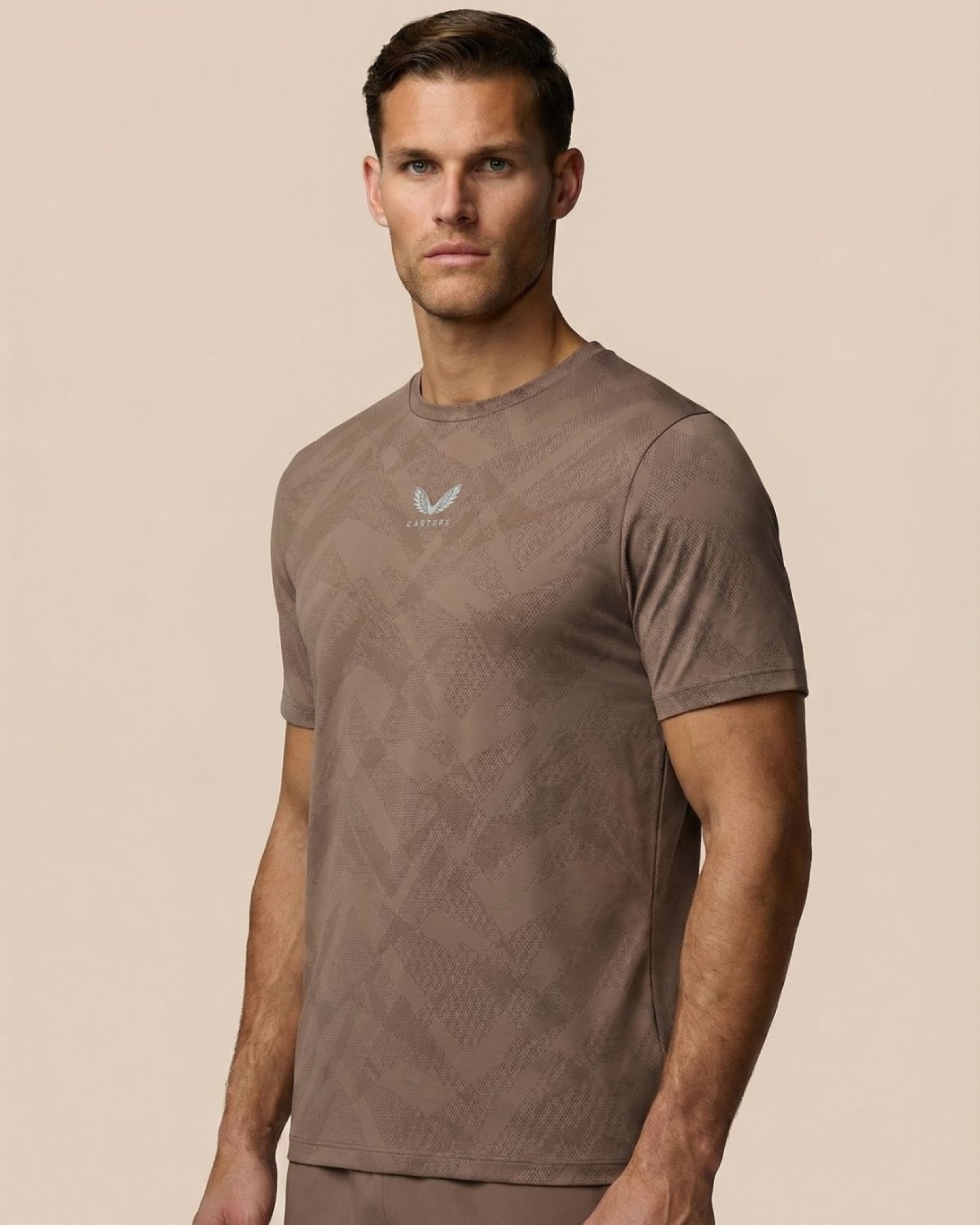
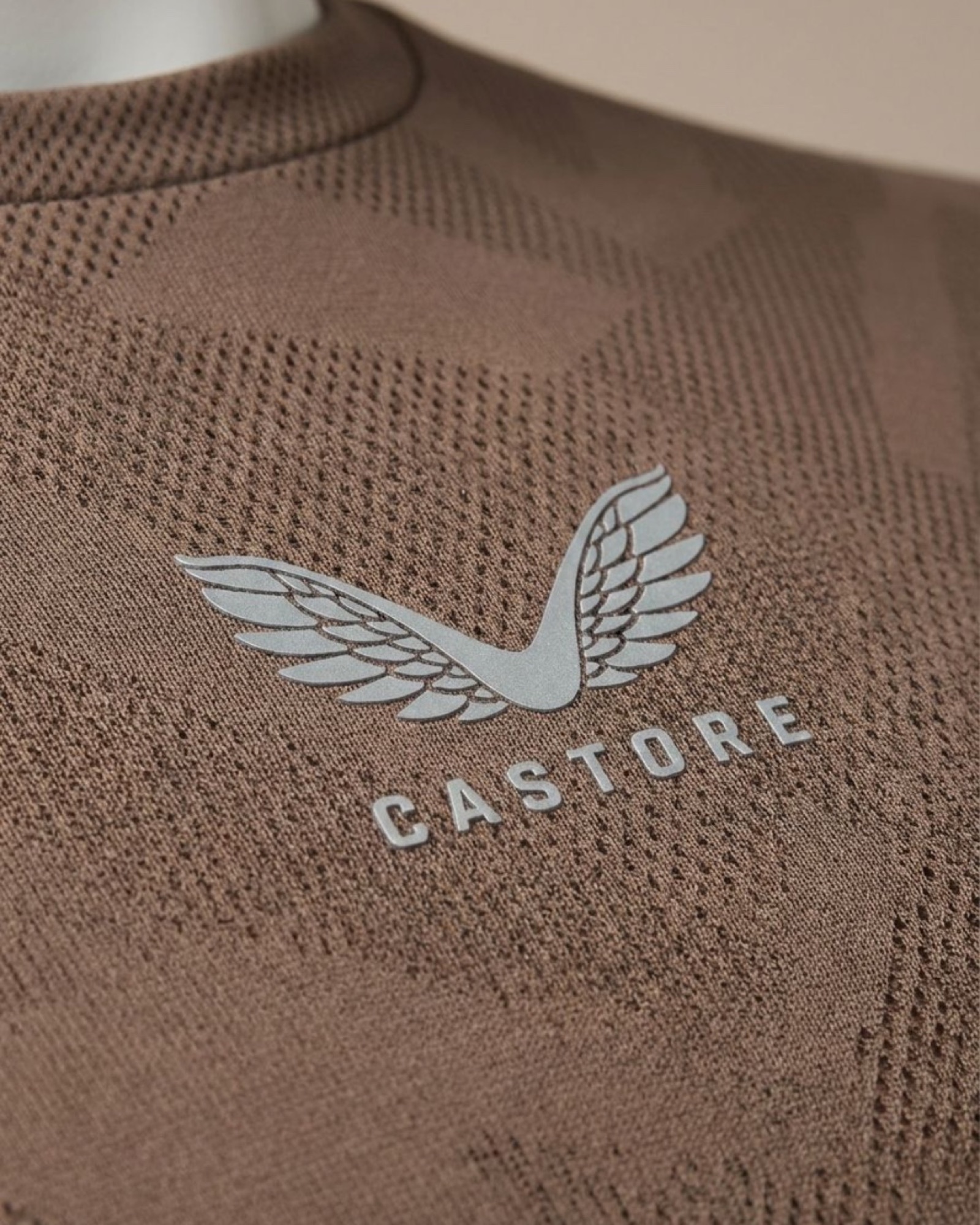
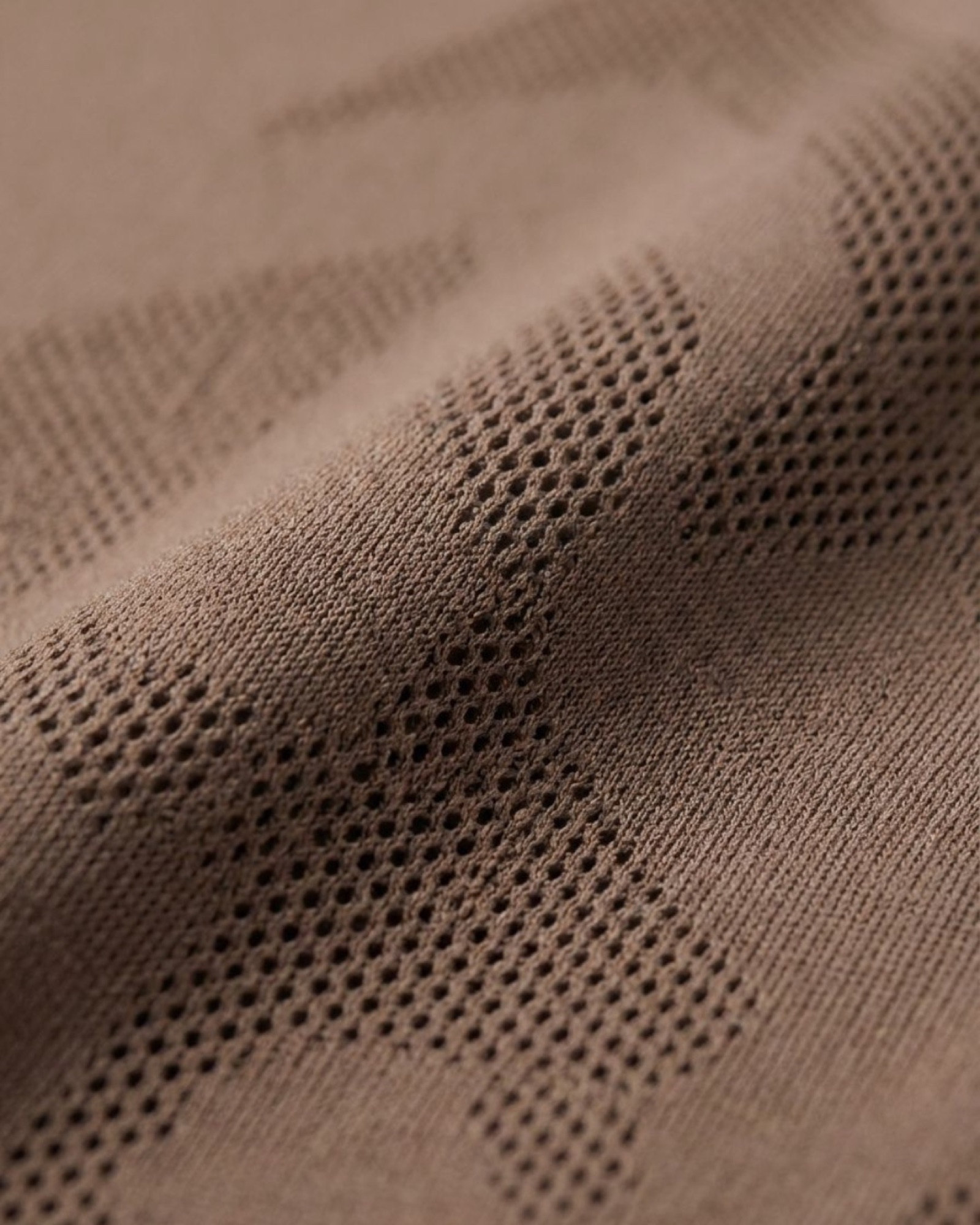
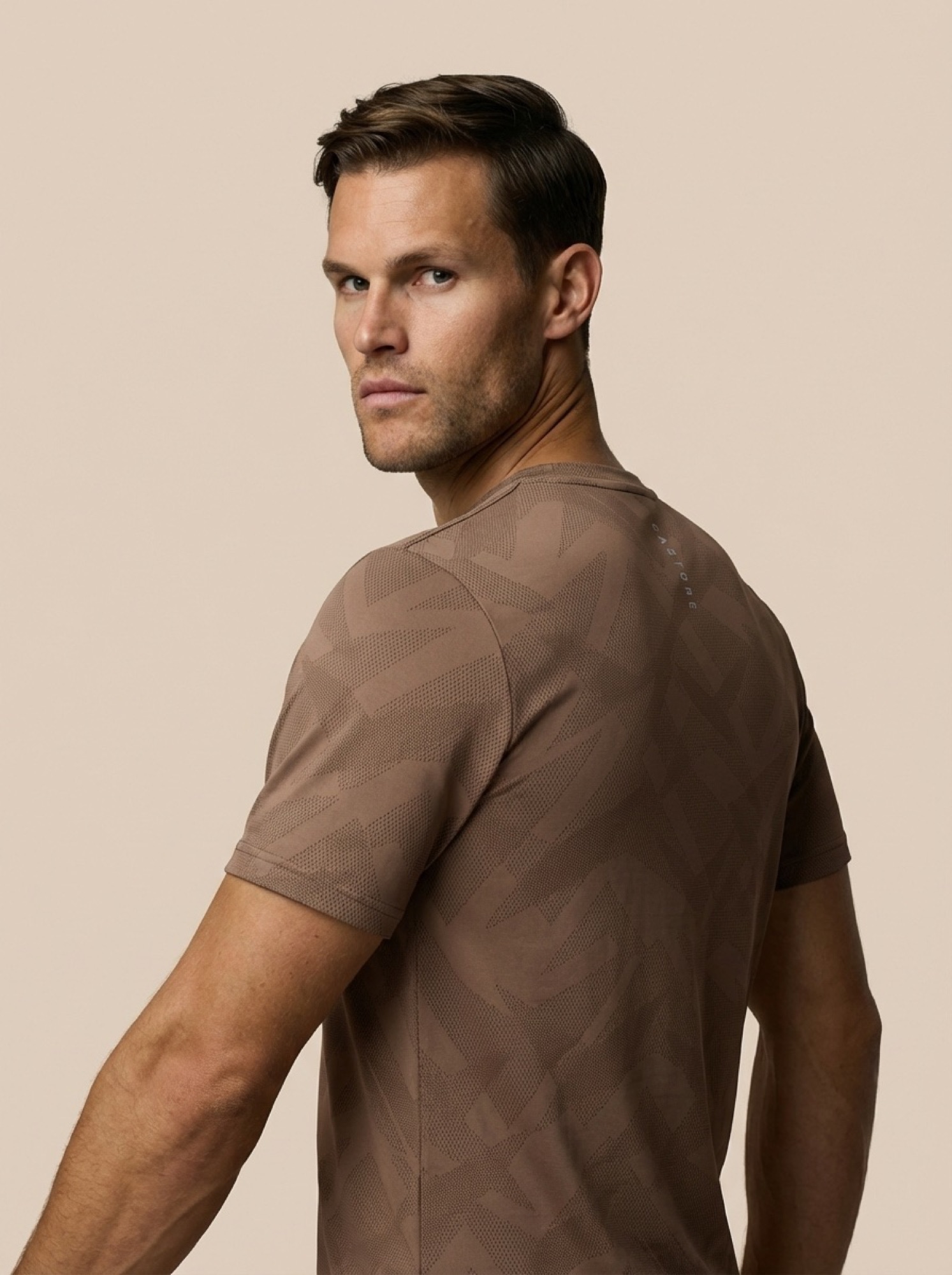
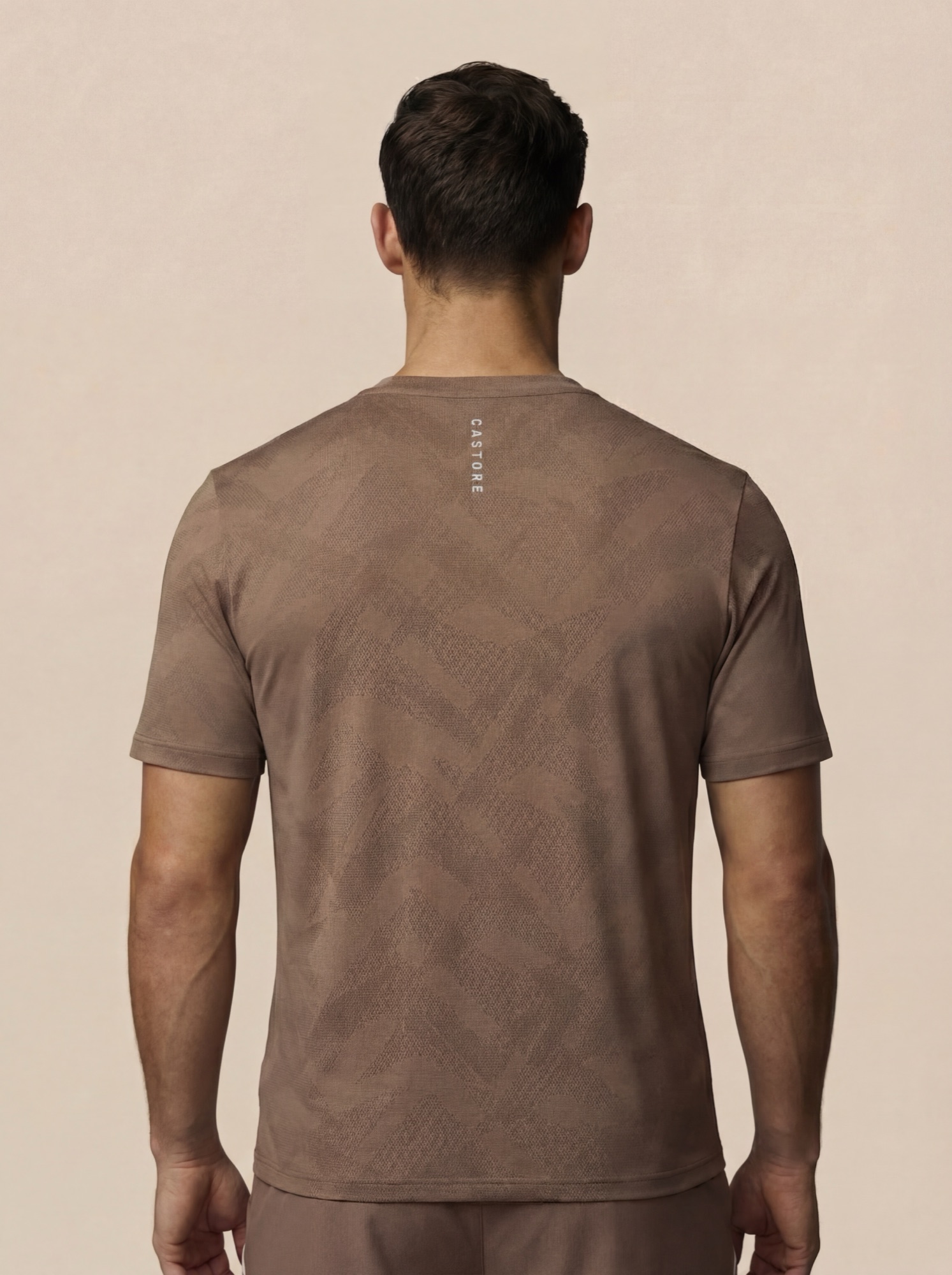
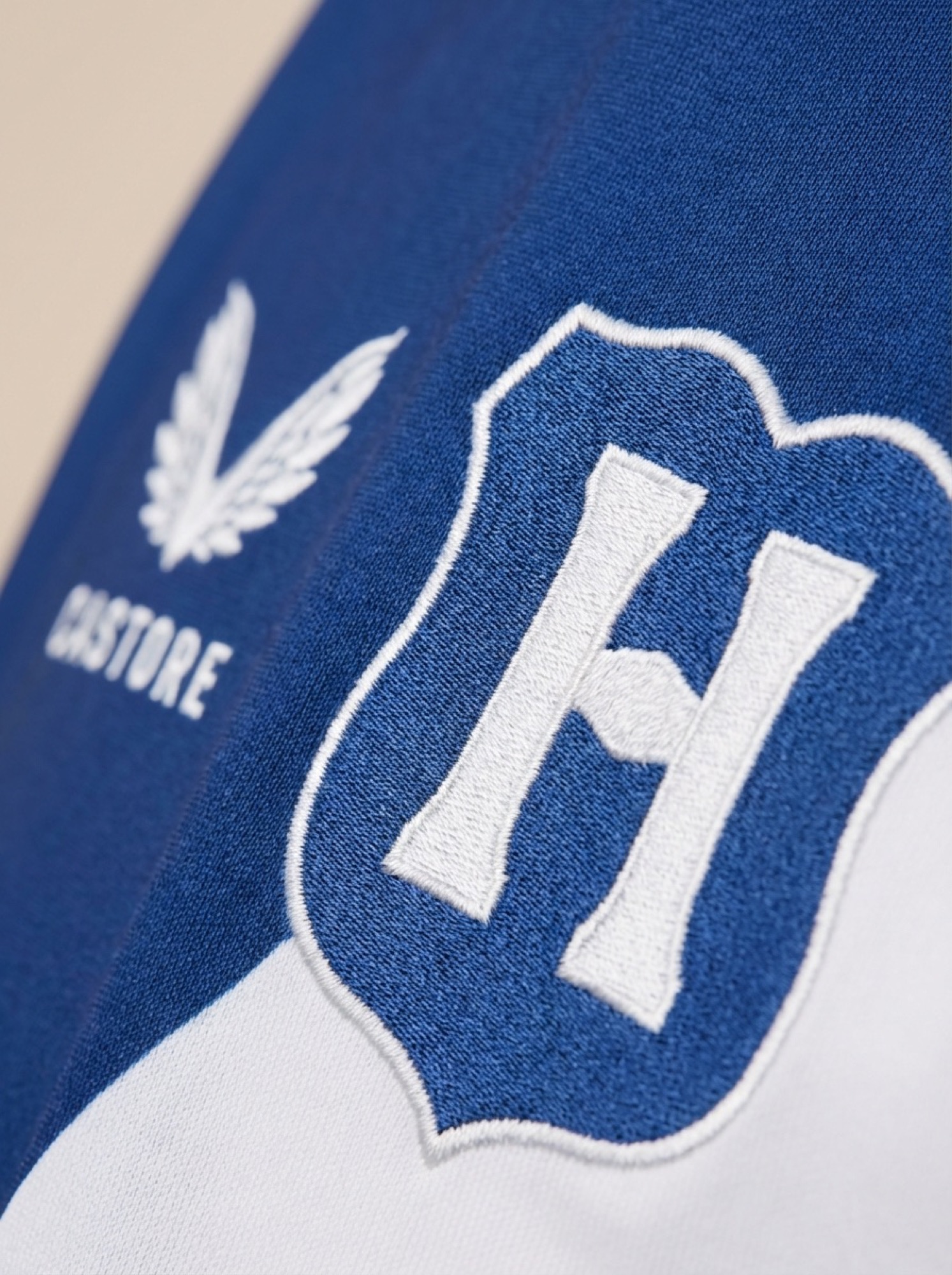
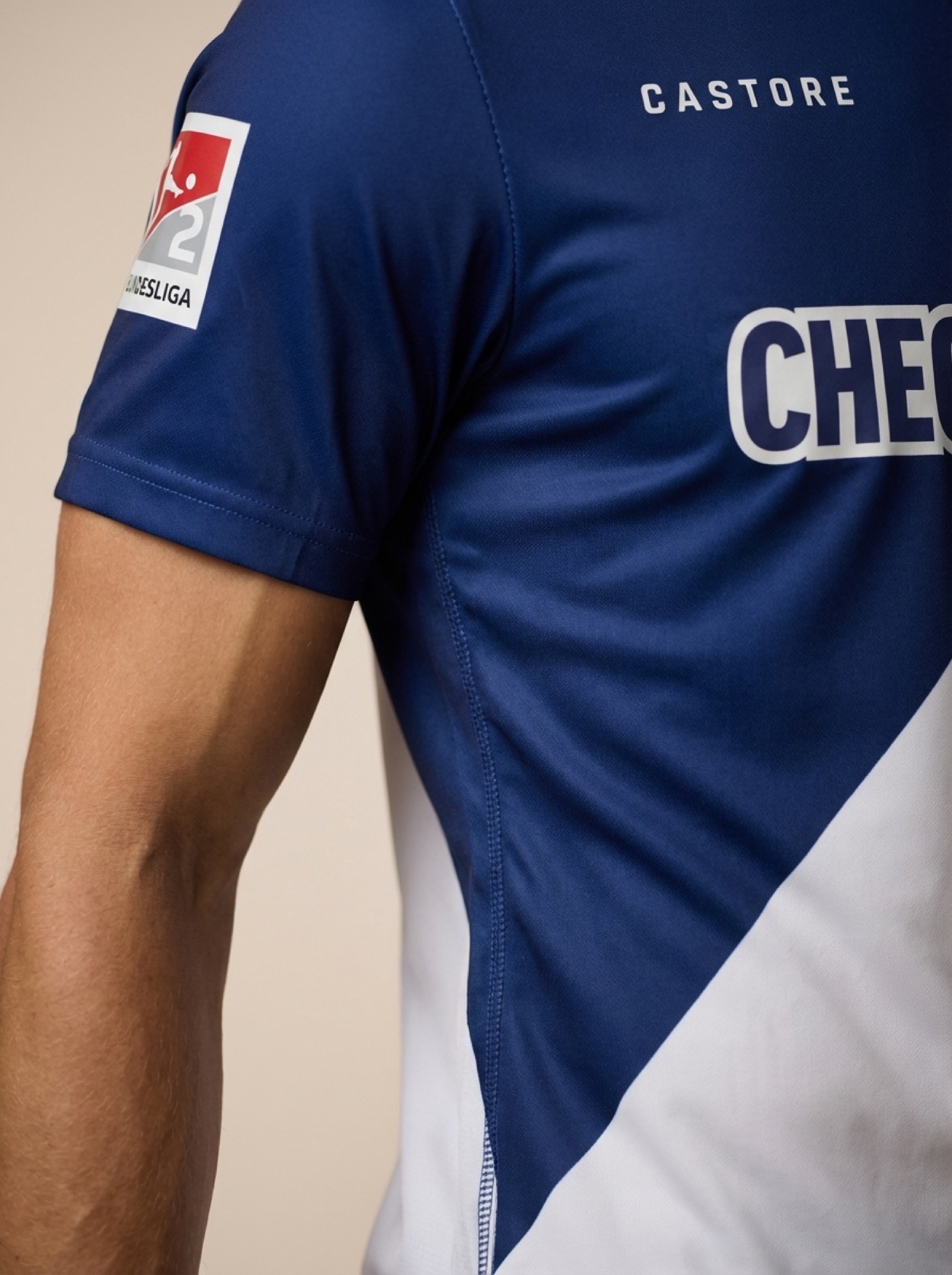
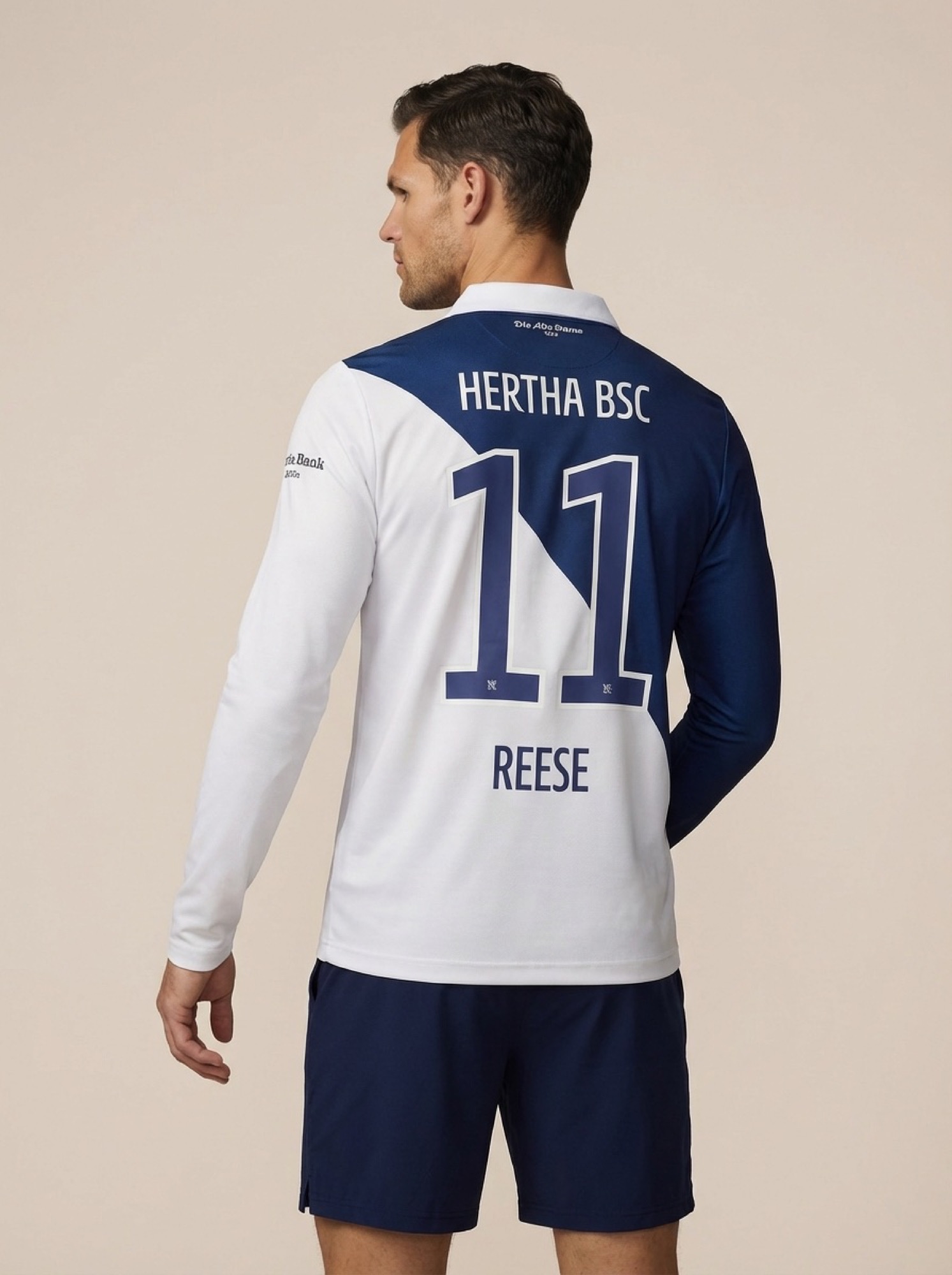
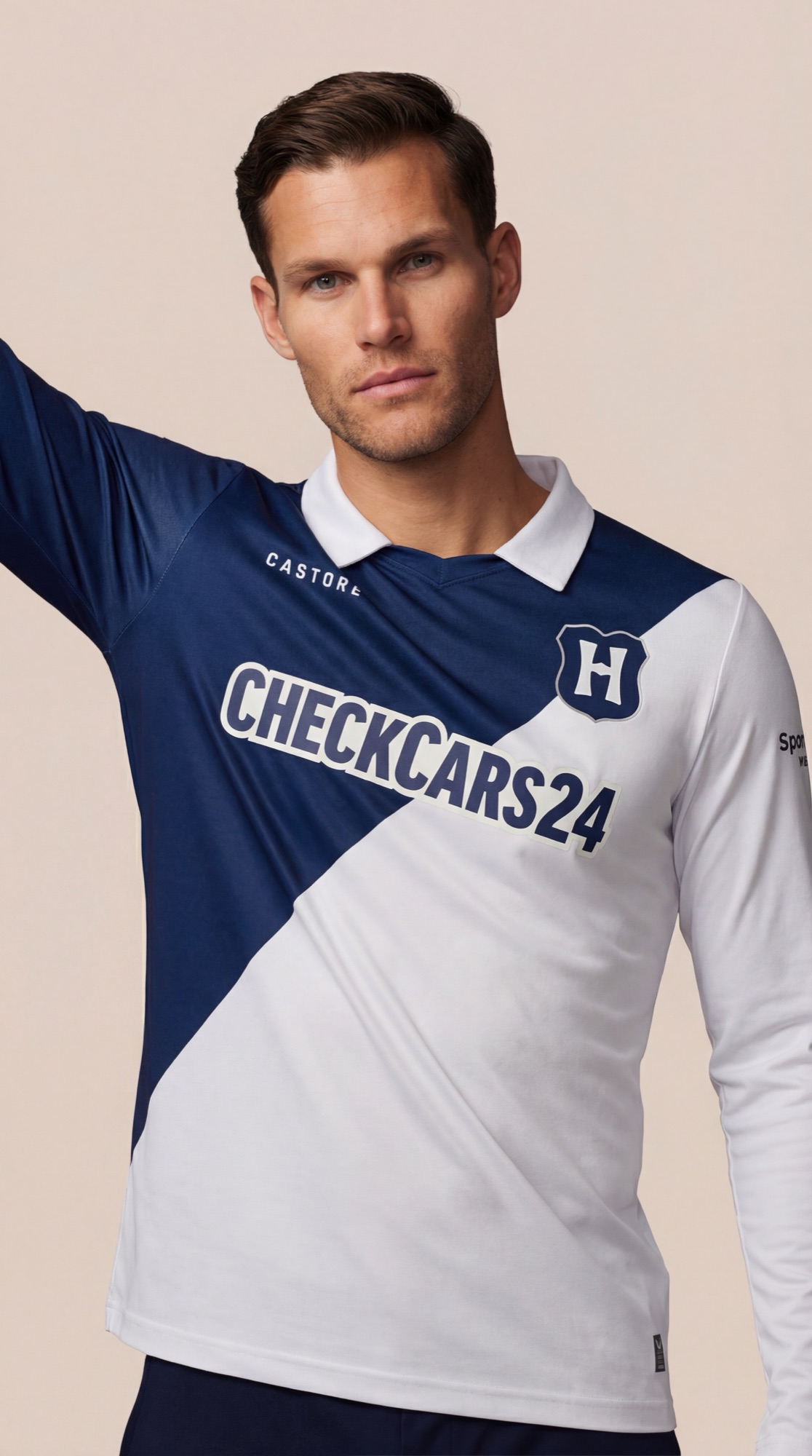
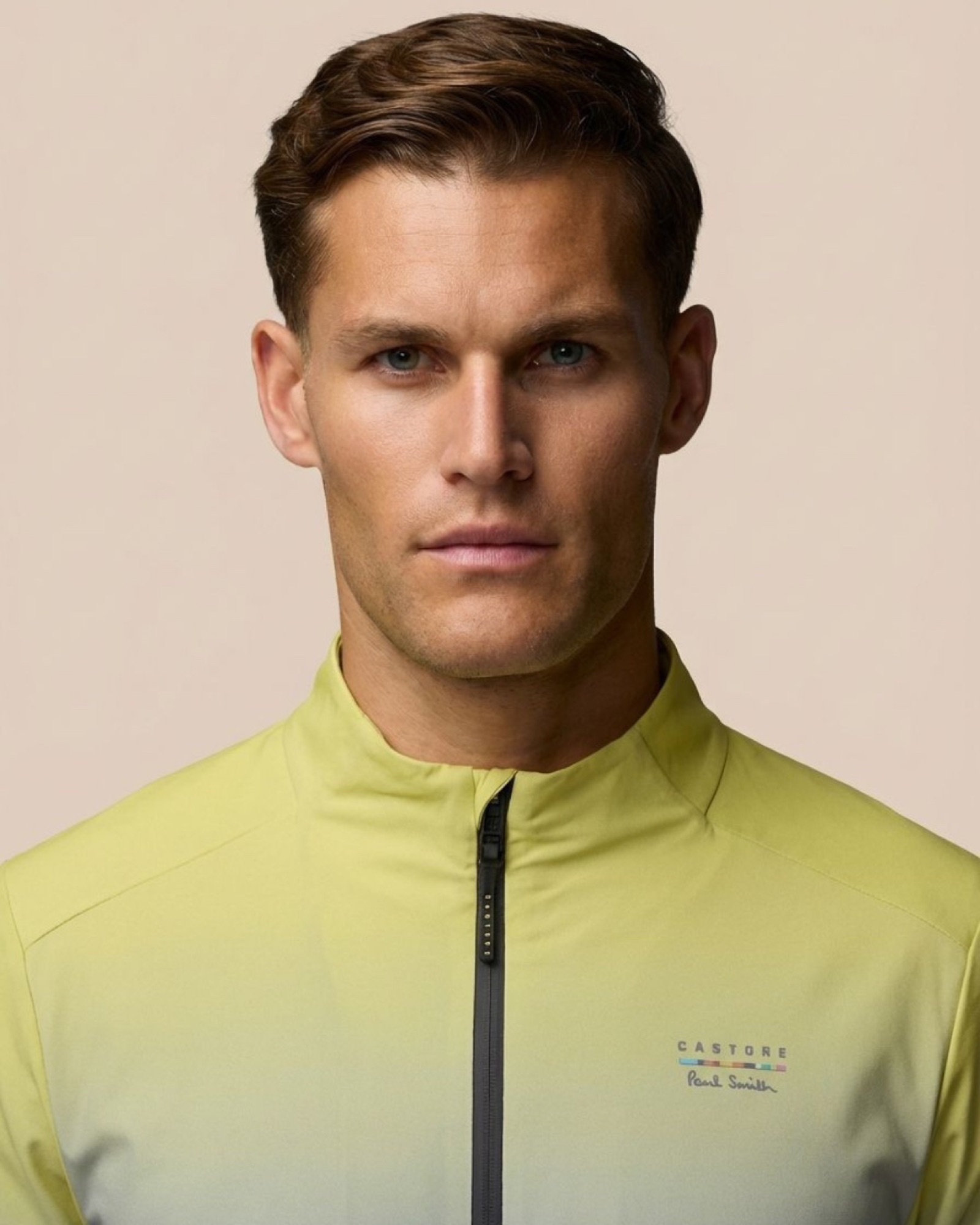
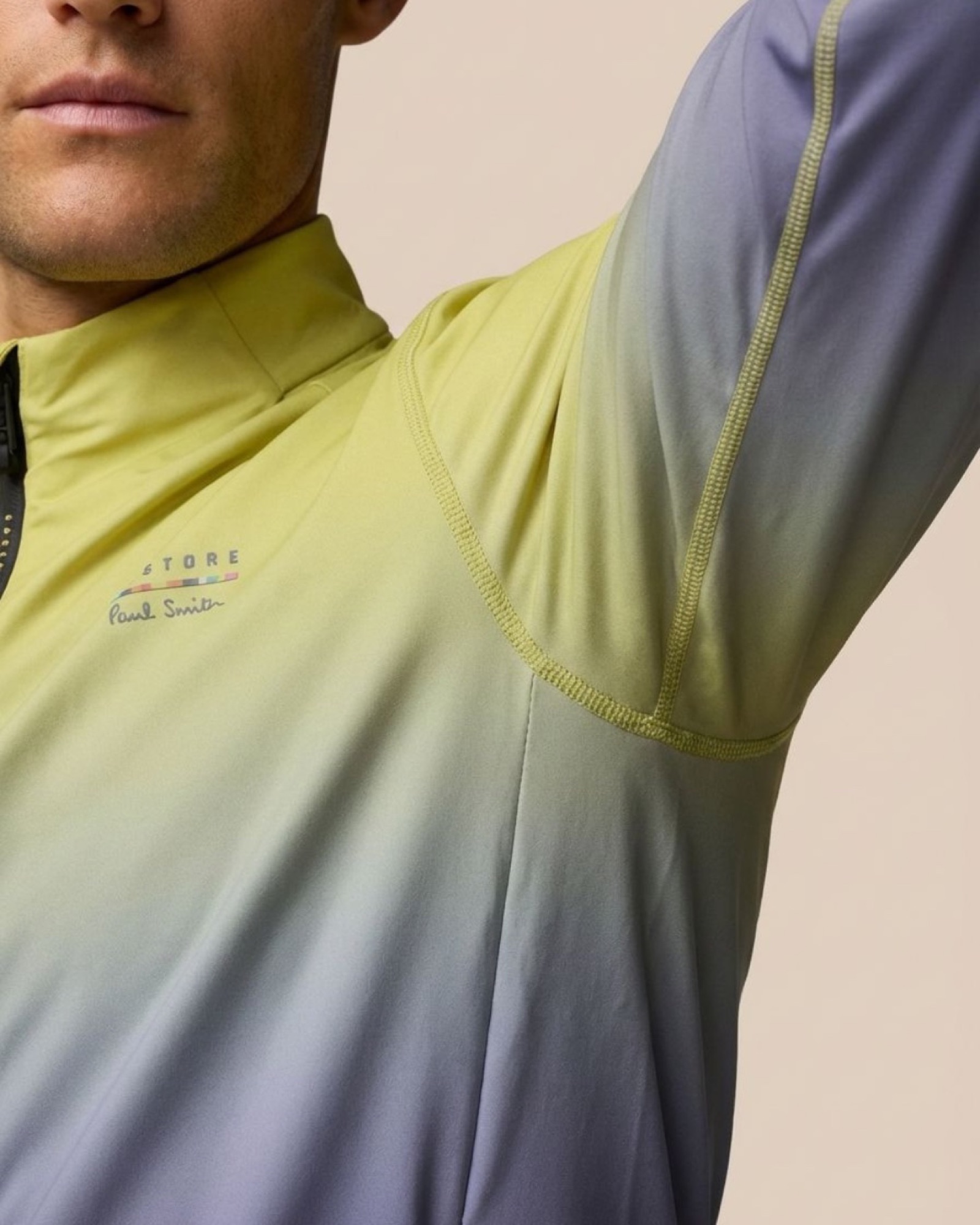
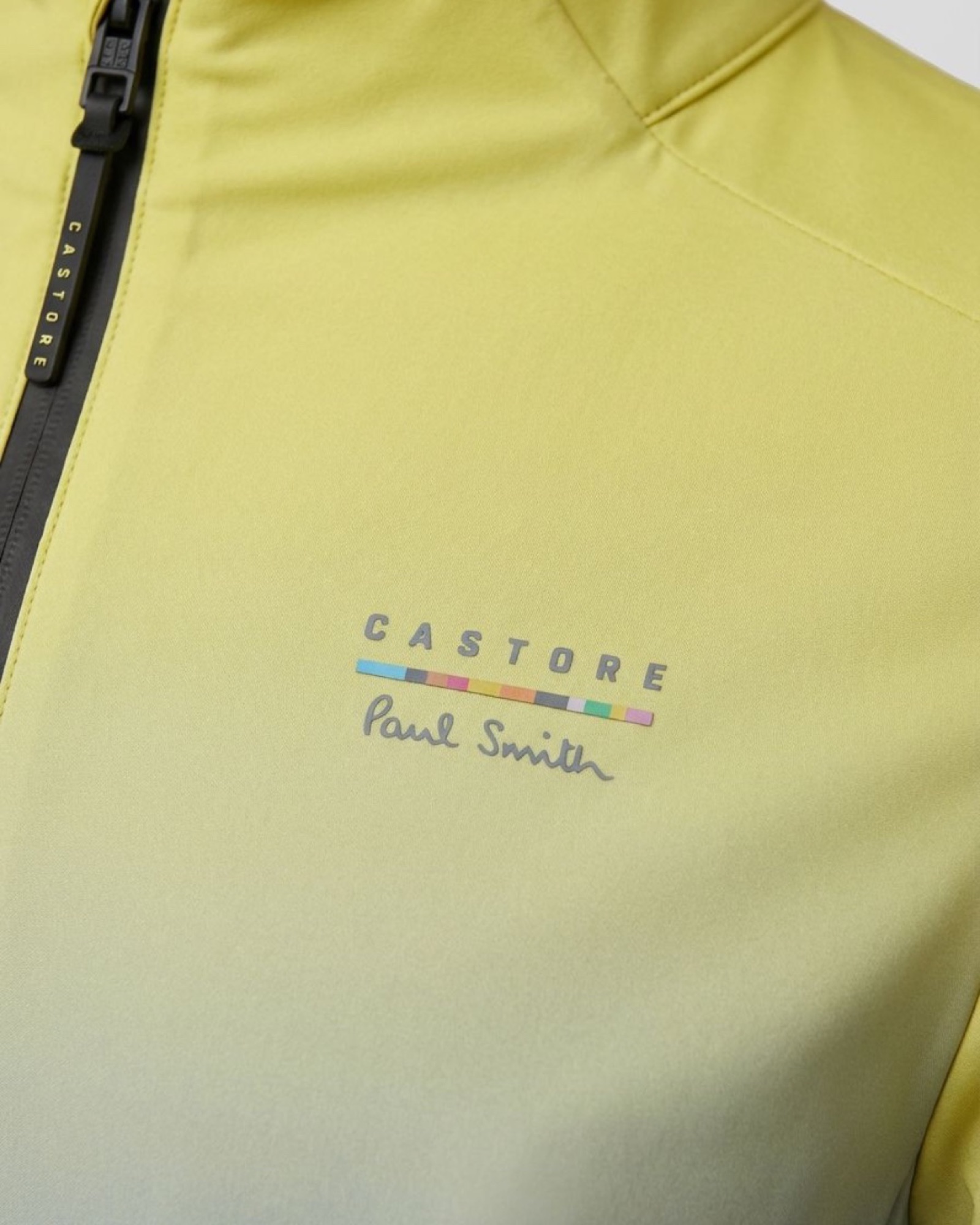
E-commerce is the hard one. A product page is unforgiving: the garment has to be legible, the fabric has to read, the colour has to be right, and the same product has to look like itself across every frame. A customer deciding whether to spend money looks closely.
So the benchmark was set at the e-commerce bar, not the campaign bar.
A pipeline, not a prompt.
One good image is a demonstration. A hundred consistent ones is a system.
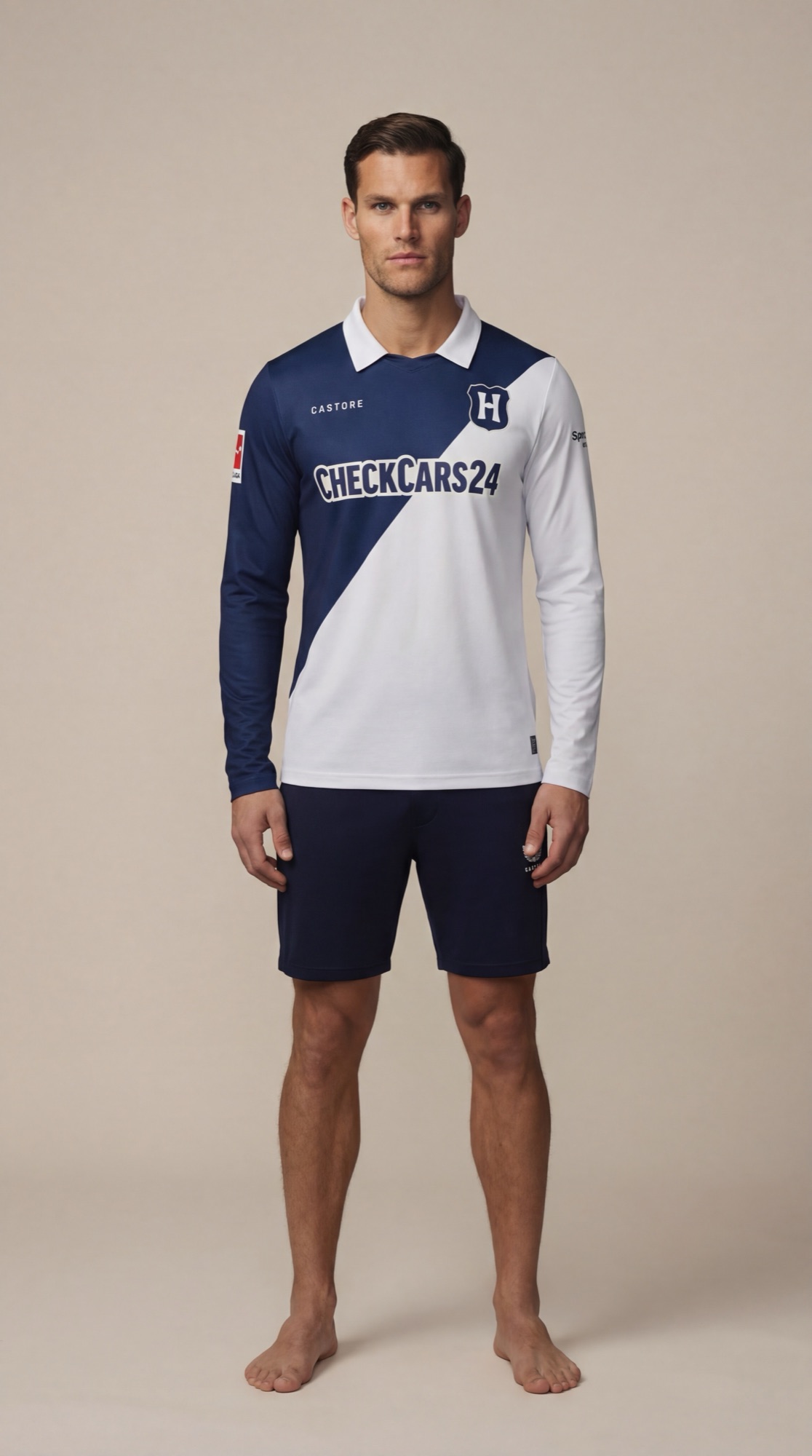
We built a content architecture rather than a set of images: a pipeline able to take multiple SKUs and existing models and hold quality across the whole set, so the output is repeatable rather than lucky.
That is the part that decides whether any of this is useful to a business. A brand shipping a season does not need one hero frame. It needs the fiftieth product to look as considered as the first.
Three product families, one standard.
A capability partner, not a design supplier.
The deliverable here was not a set of pictures. It was the architecture, and an honest answer about where it holds and where it does not.
That is a different kind of engagement. A brand at this scale does not need someone to make them fifty images. It needs to know whether a system can make five thousand, and what the standard will be when it does.