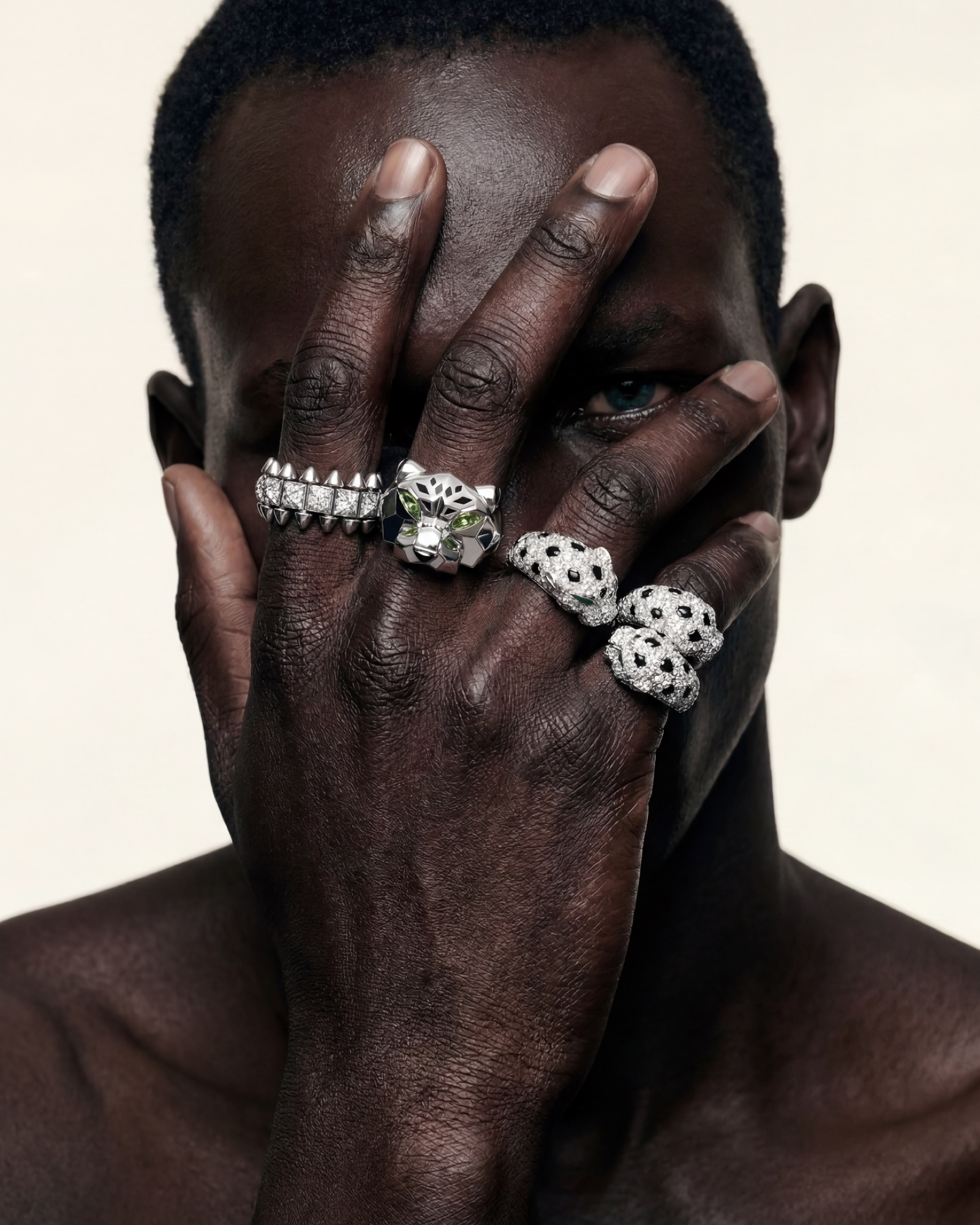
Cast the way a casting director casts.
A generated board built to the same variables a real casting call runs on, and built to keep everything a stock library would have retouched out.
Every face here is generated. None is a real person, and none is a model on a books. That is the point: no releases, no usage windows, no expiry.
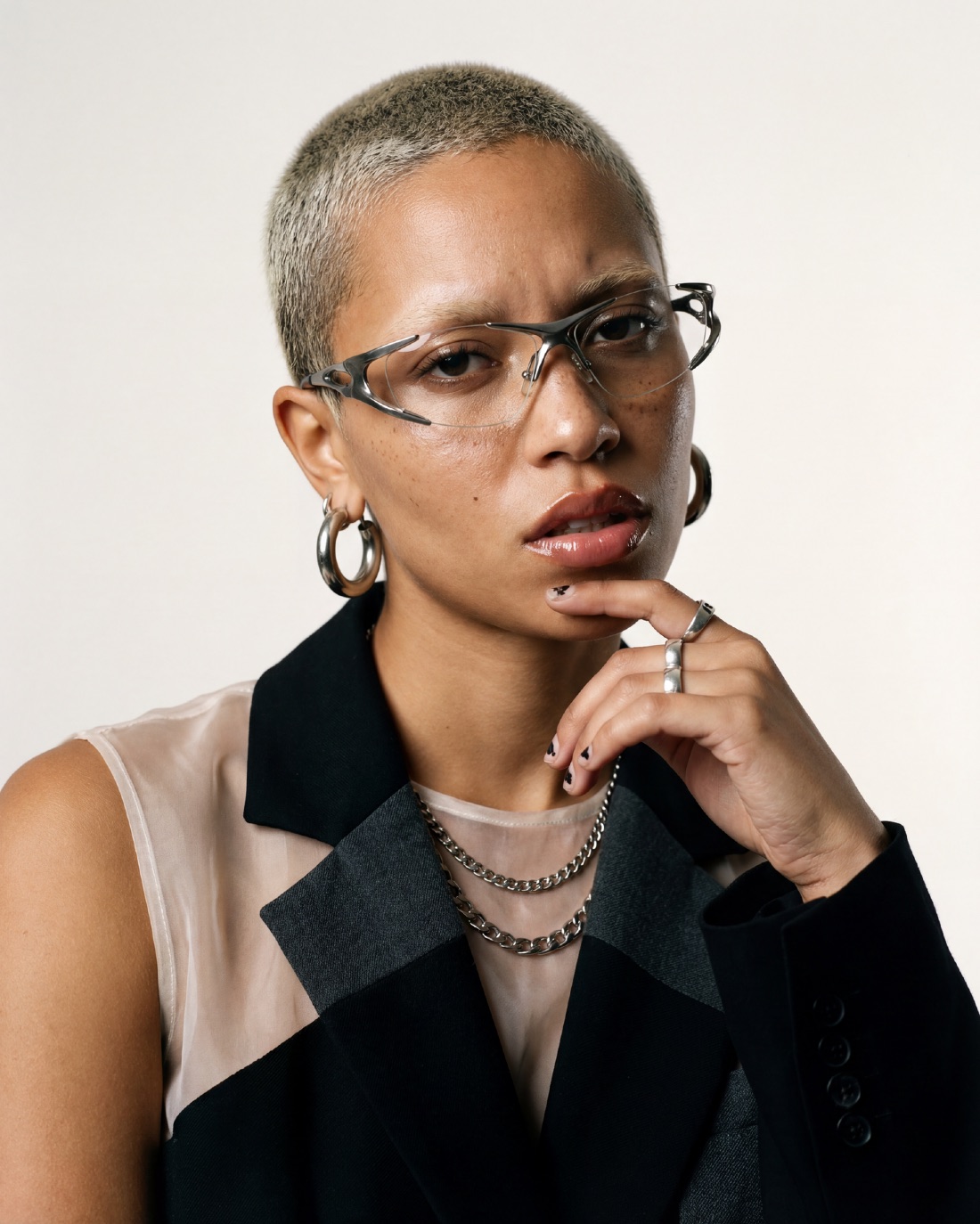
A face reads as a person because of what is wrong with it.
Most generated people fail in the same place.
The skin is too even, the symmetry is too clean, the pores have been averaged away. It is not that the face looks fake so much as that it looks like nobody, which is worse: an audience will not distrust it, they will simply not remember it.
So the whole standard here runs the other way. Broken capillaries, uneven brows, a gap between the teeth, freckling that goes patchy at the temple, one eye fractionally lower than the other. Depth comes from the flaws, and the flaws are the part that has to be directed hardest.
Cast on the things a brief actually specifies.
Age band, colouring, bone structure, hair, height and build, and the register a client needs: warm, severe, editorial, everyday. The board is built so a brief can be answered from it rather than negotiated around it.
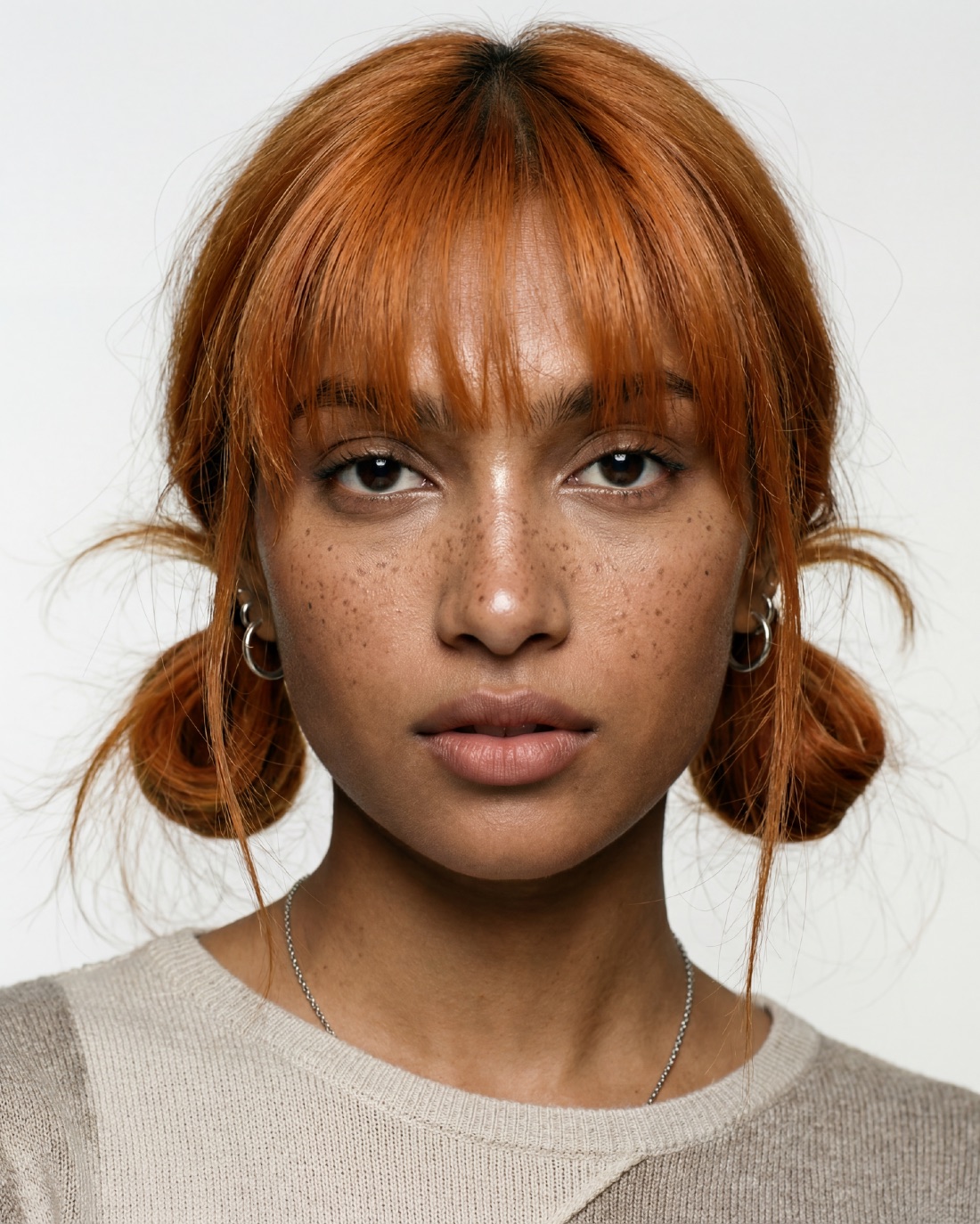
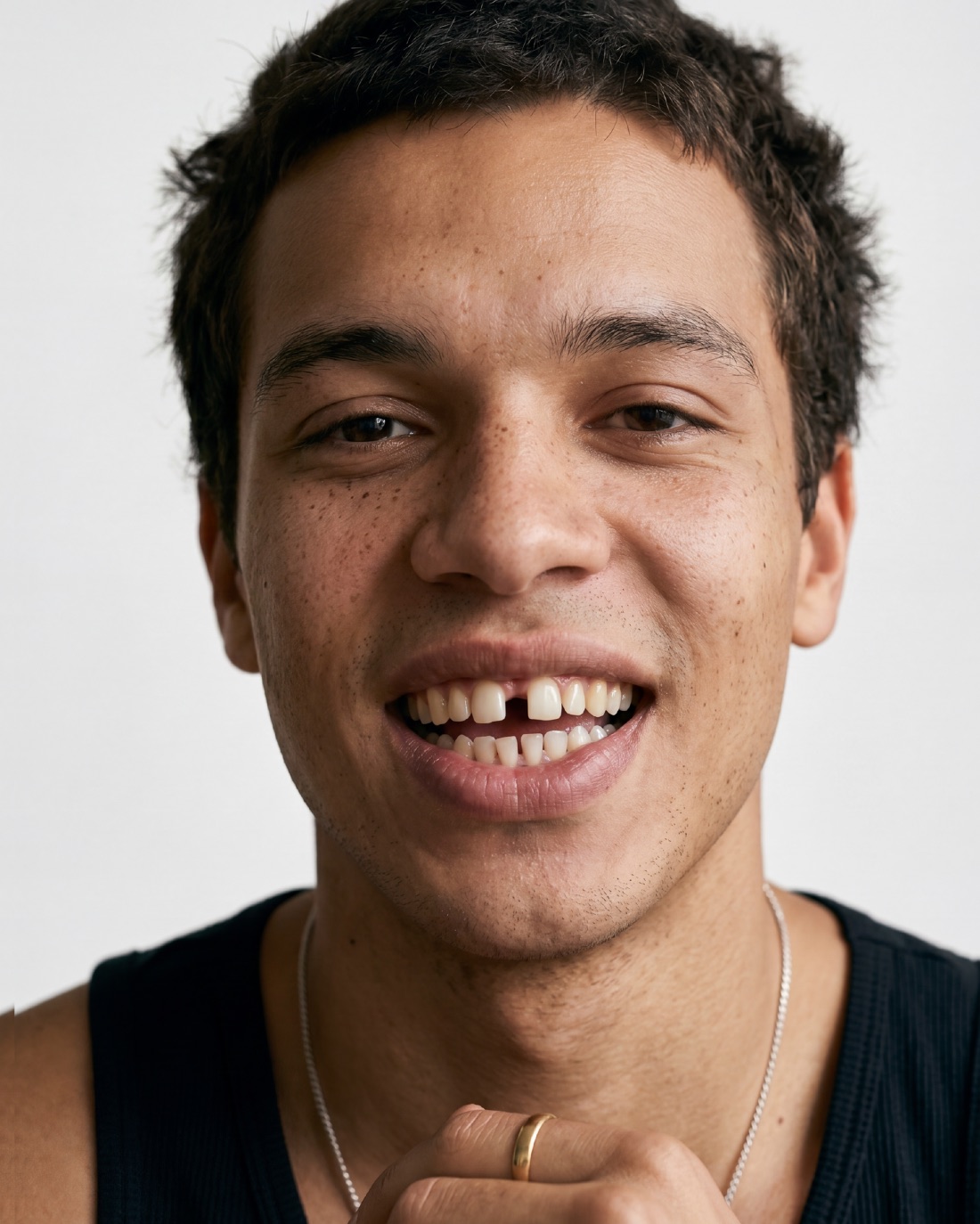
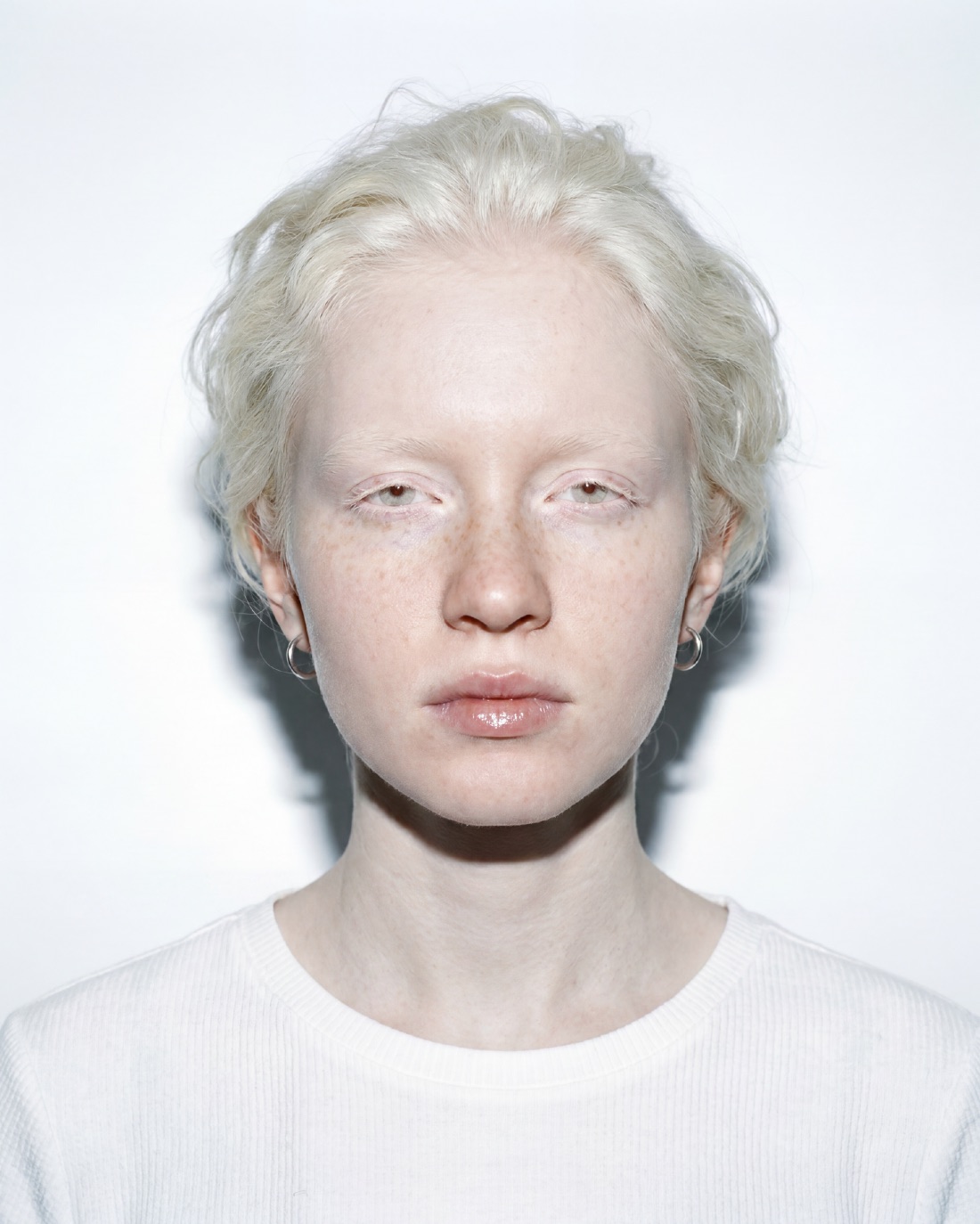
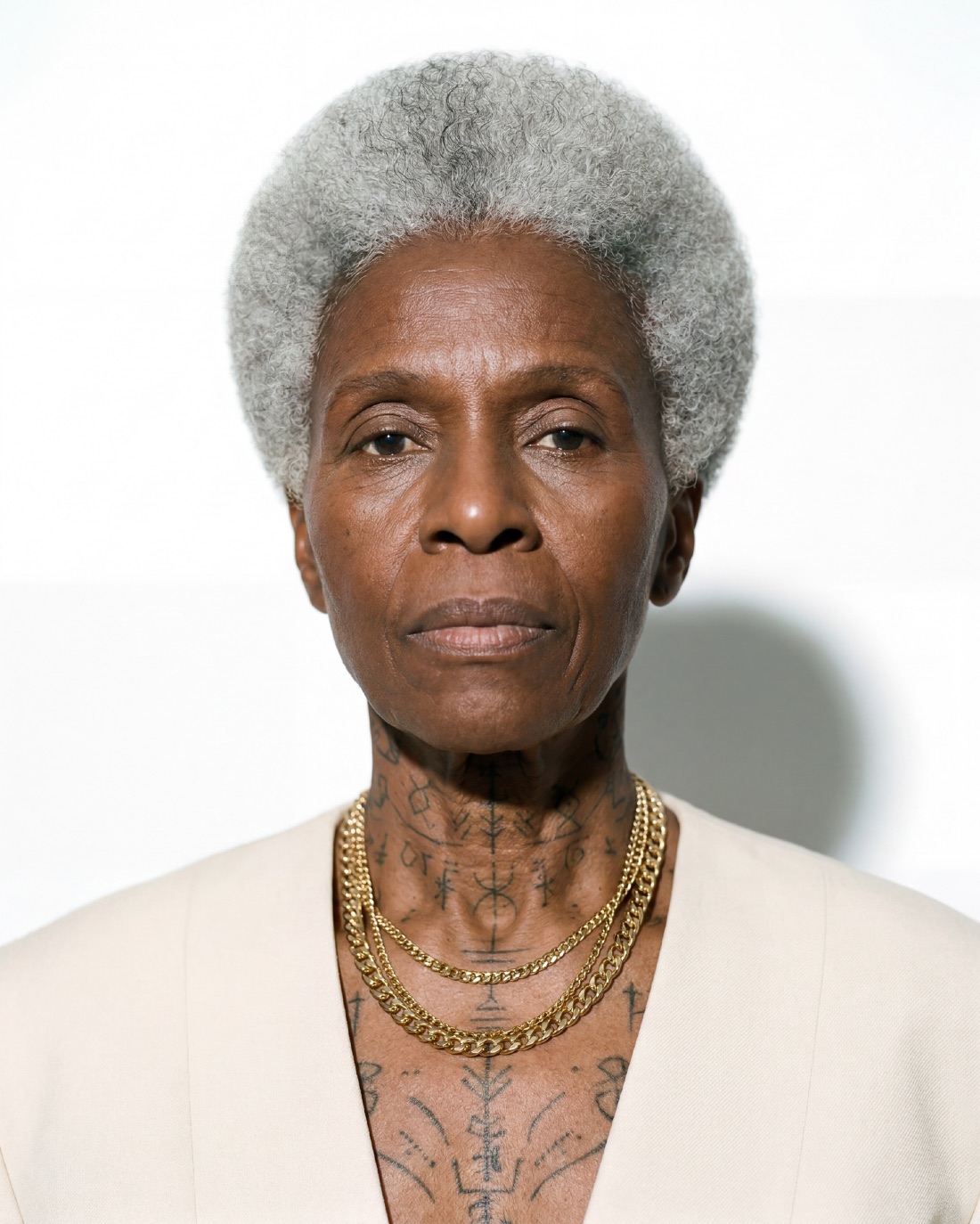
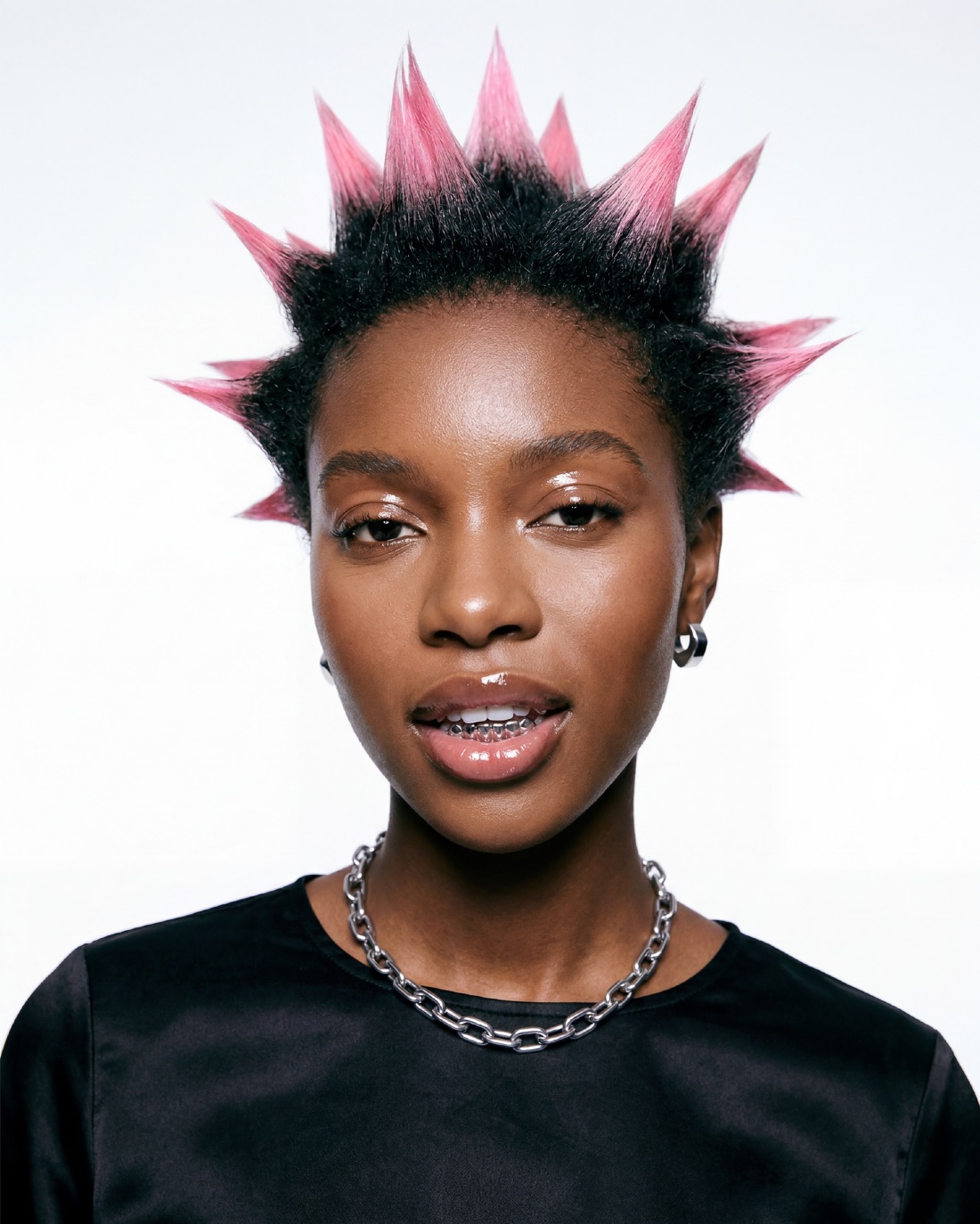
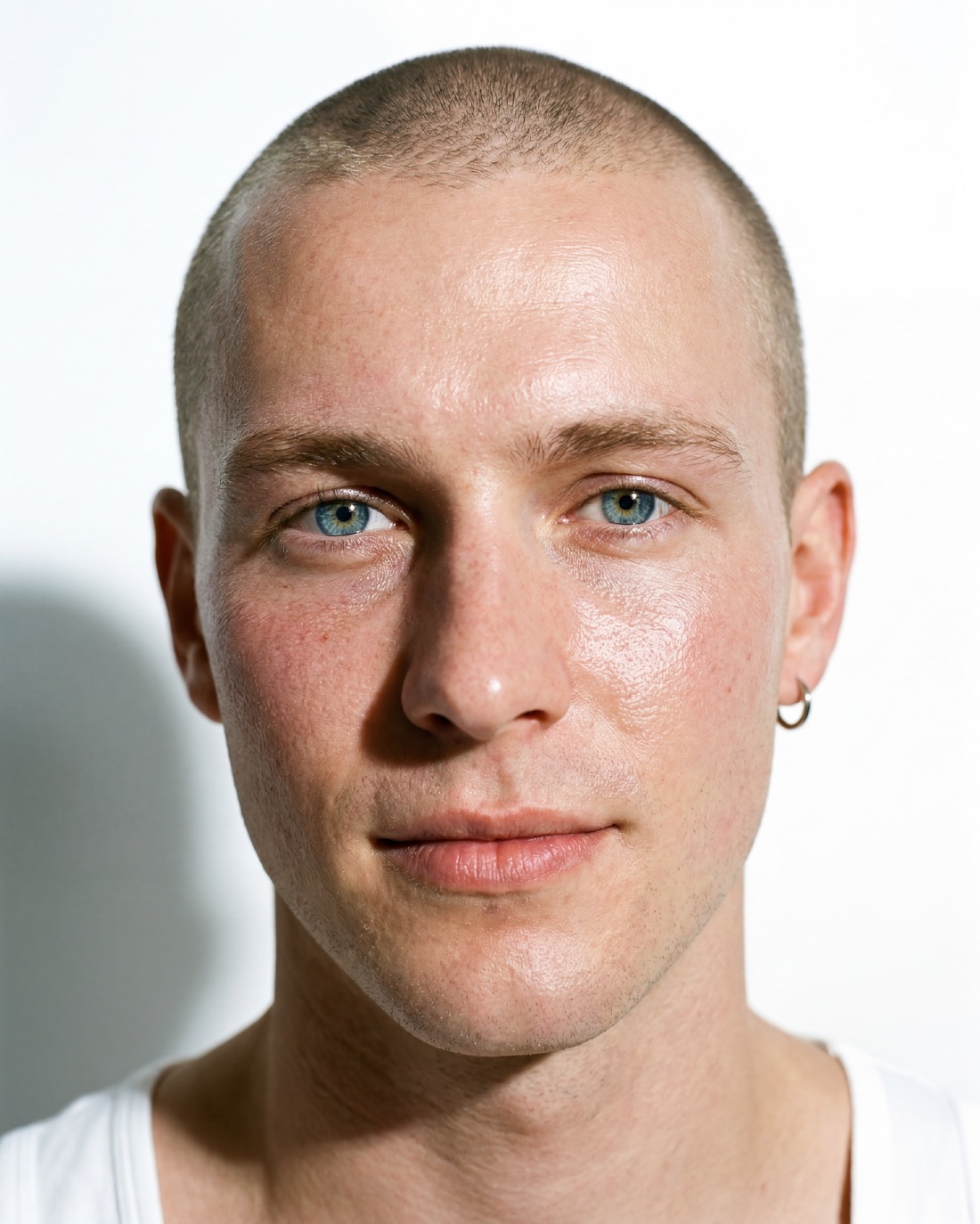
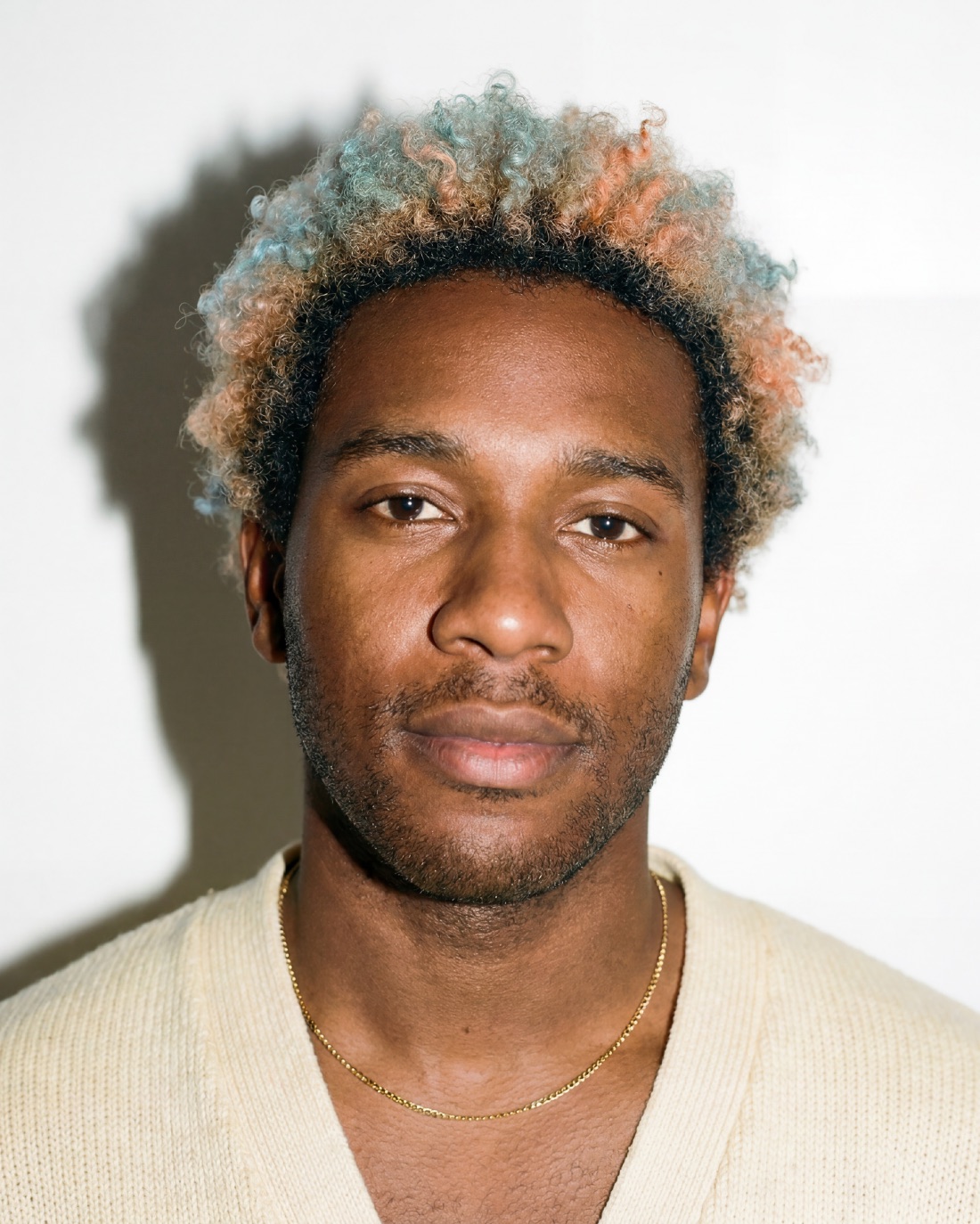
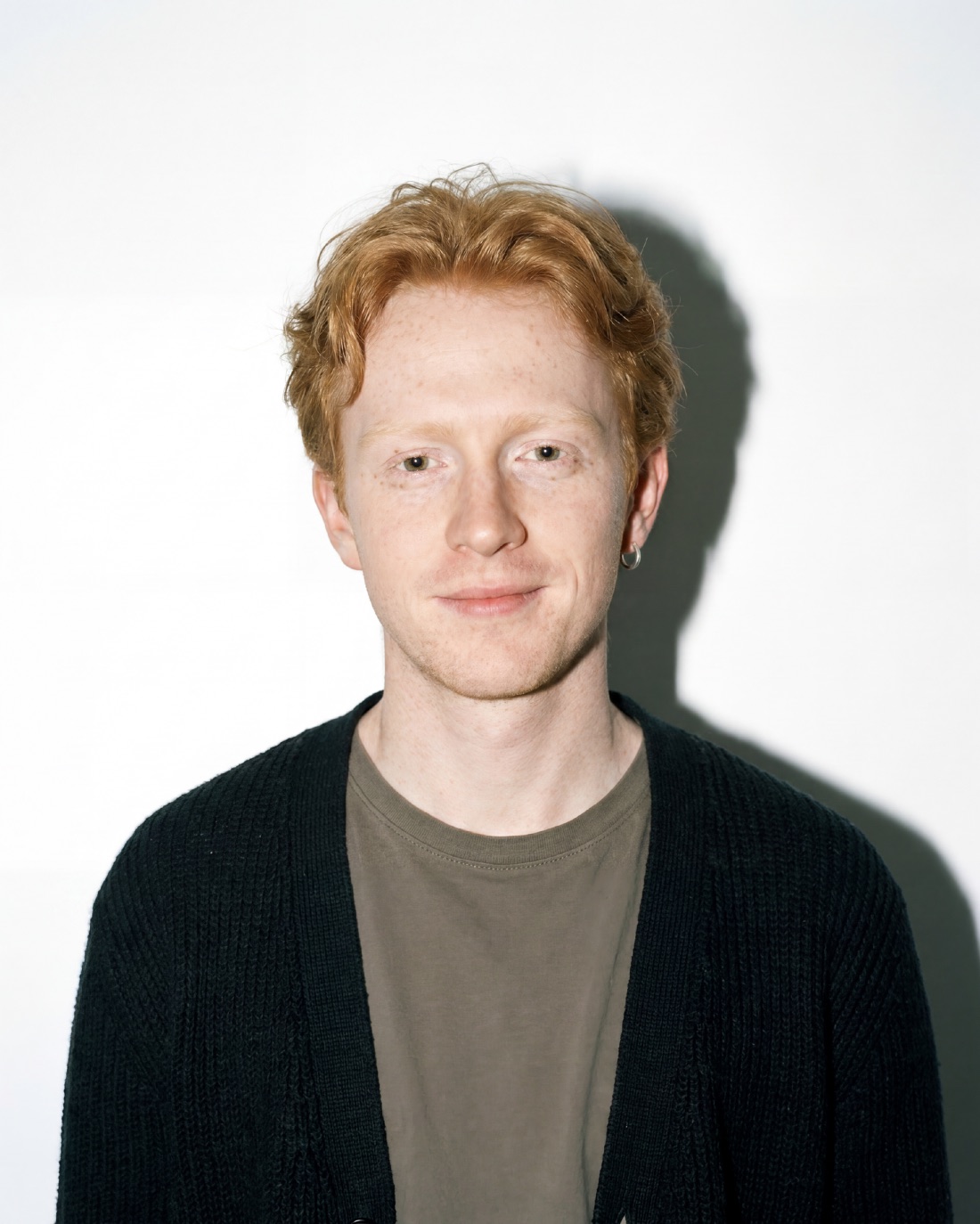
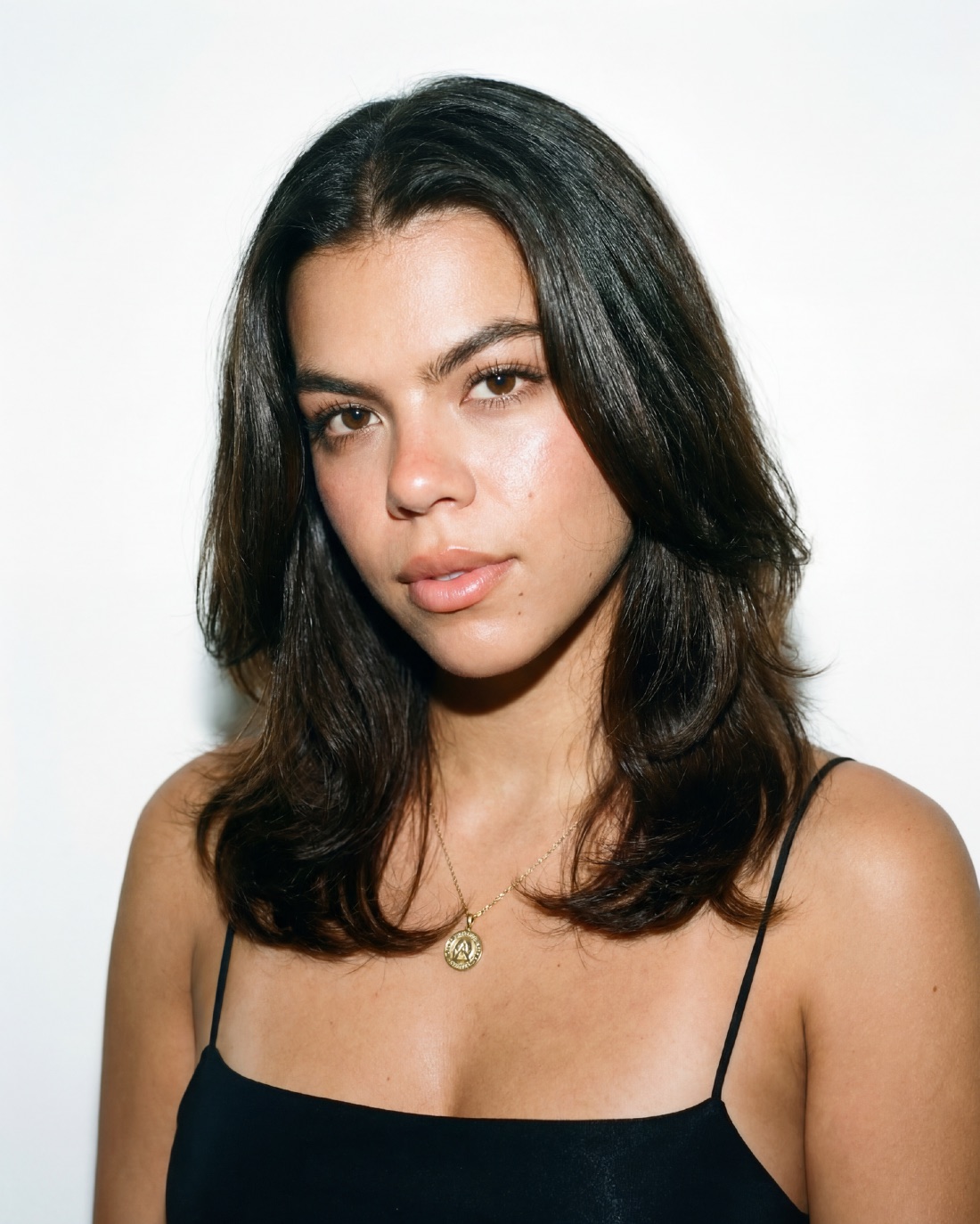
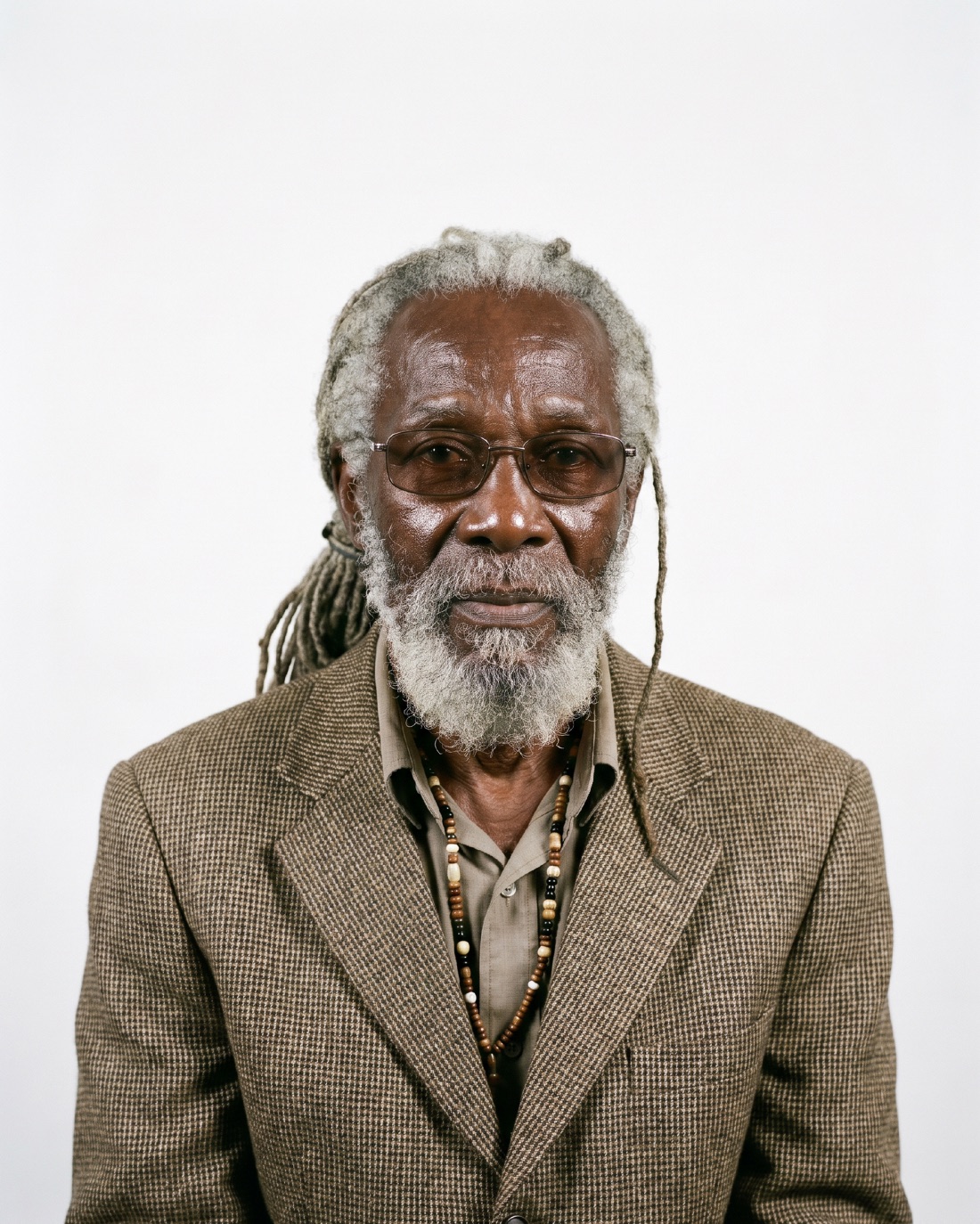
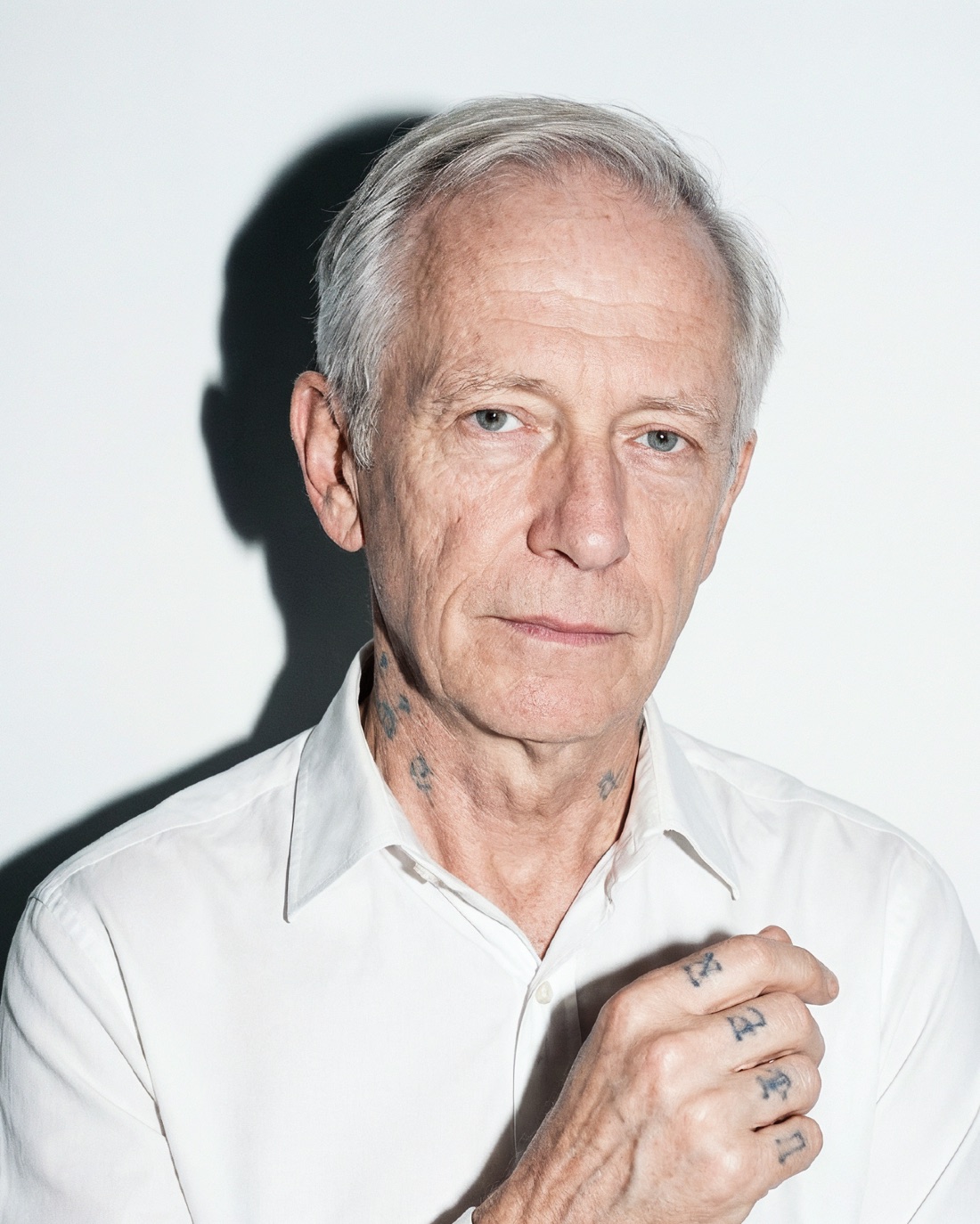
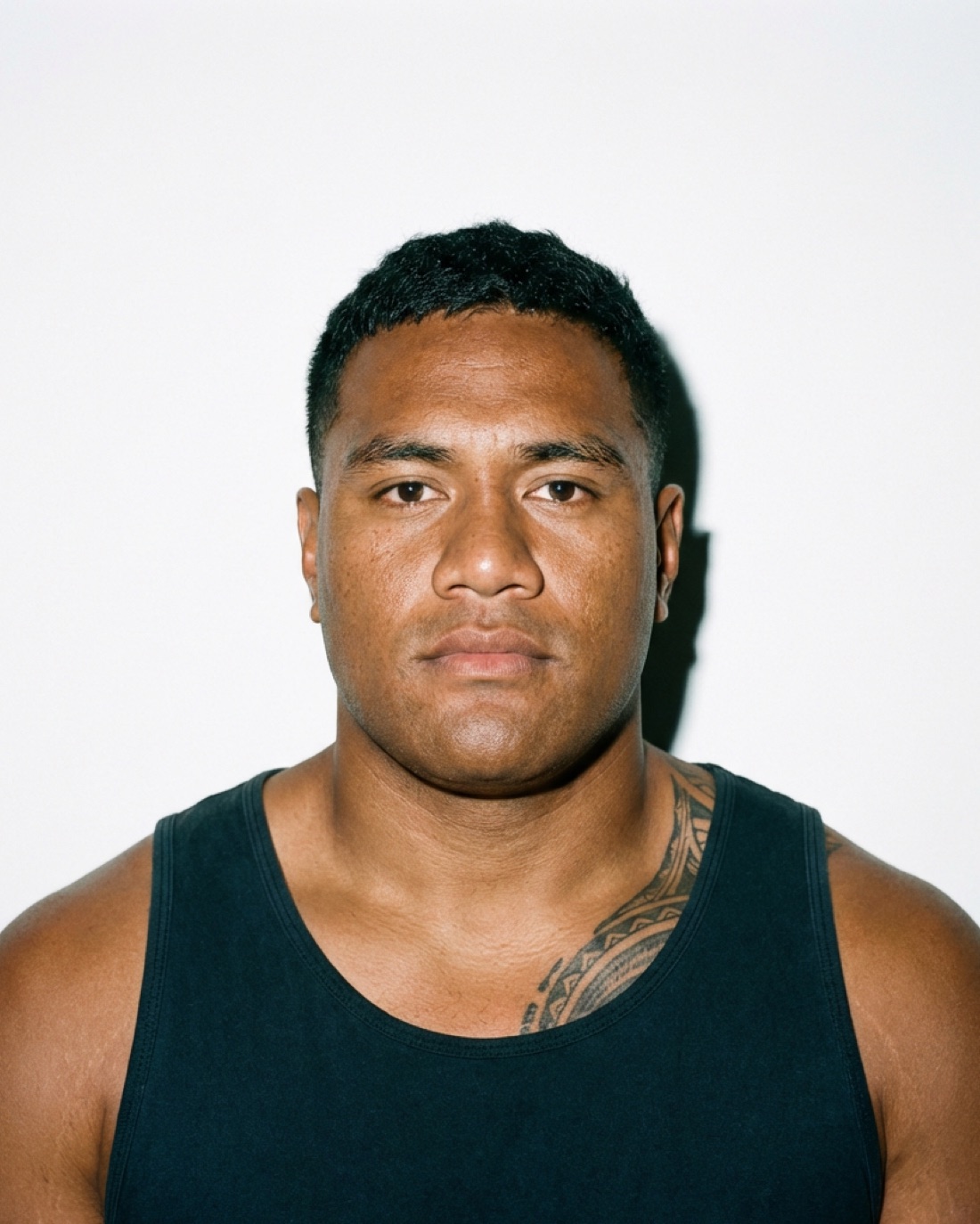
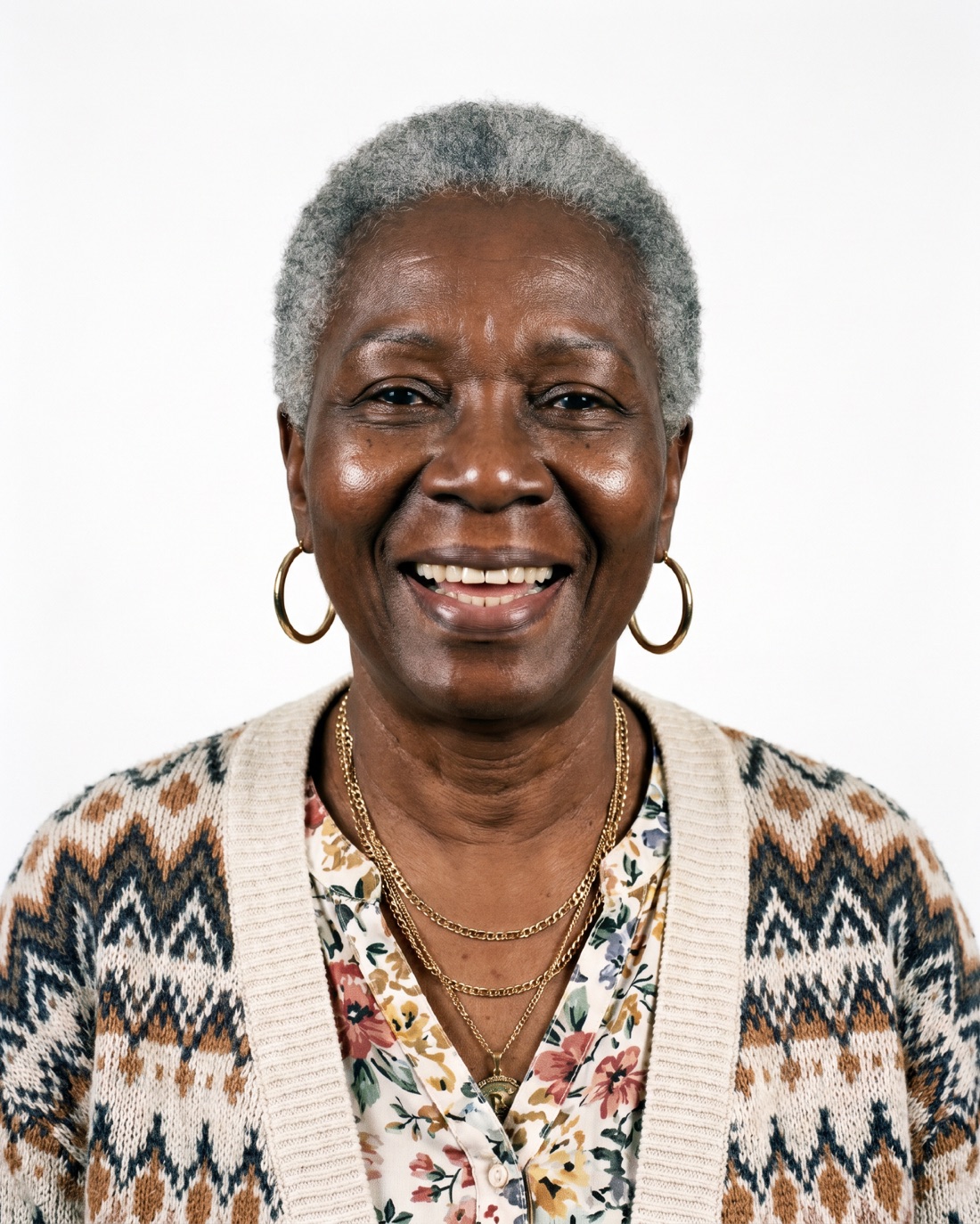
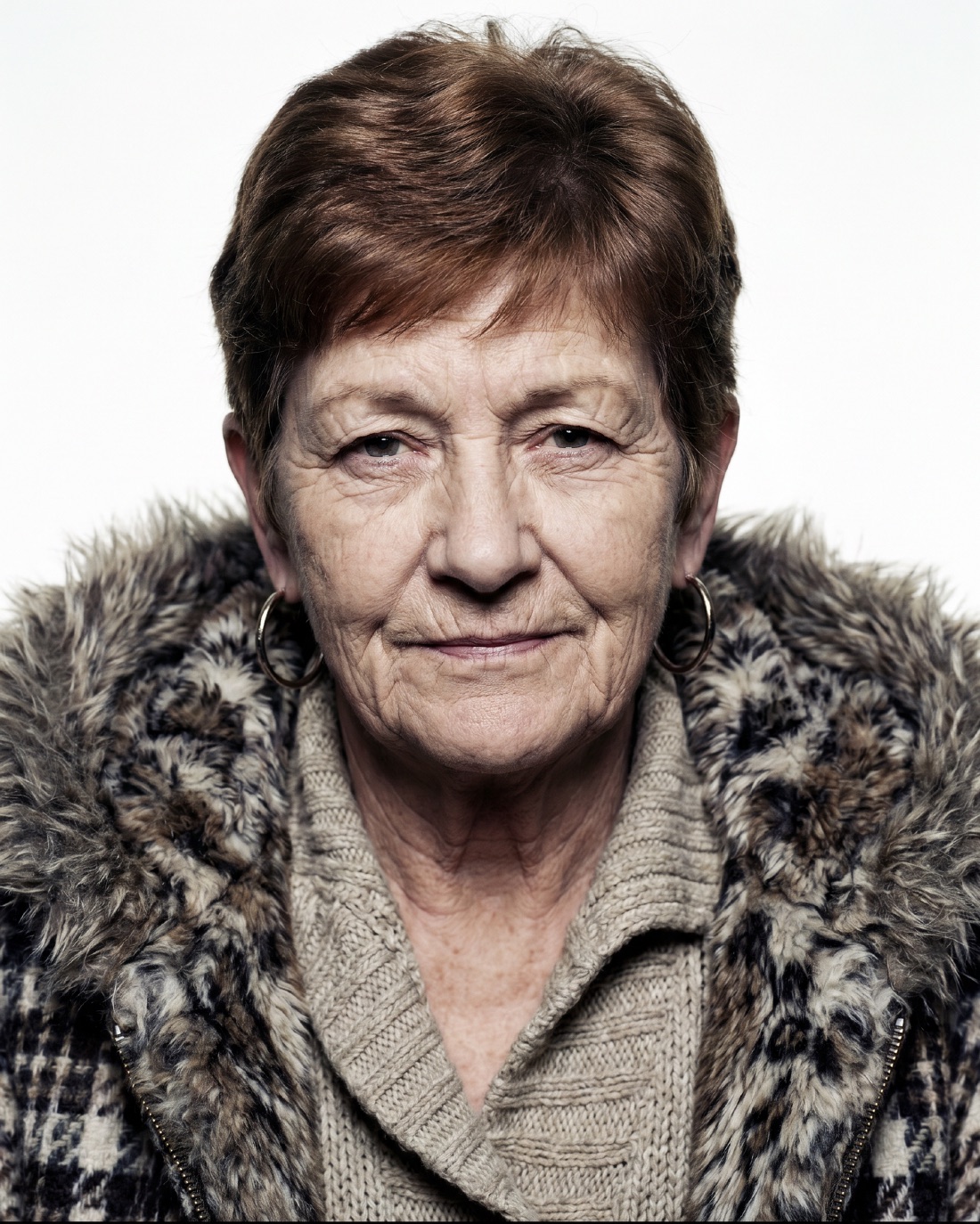
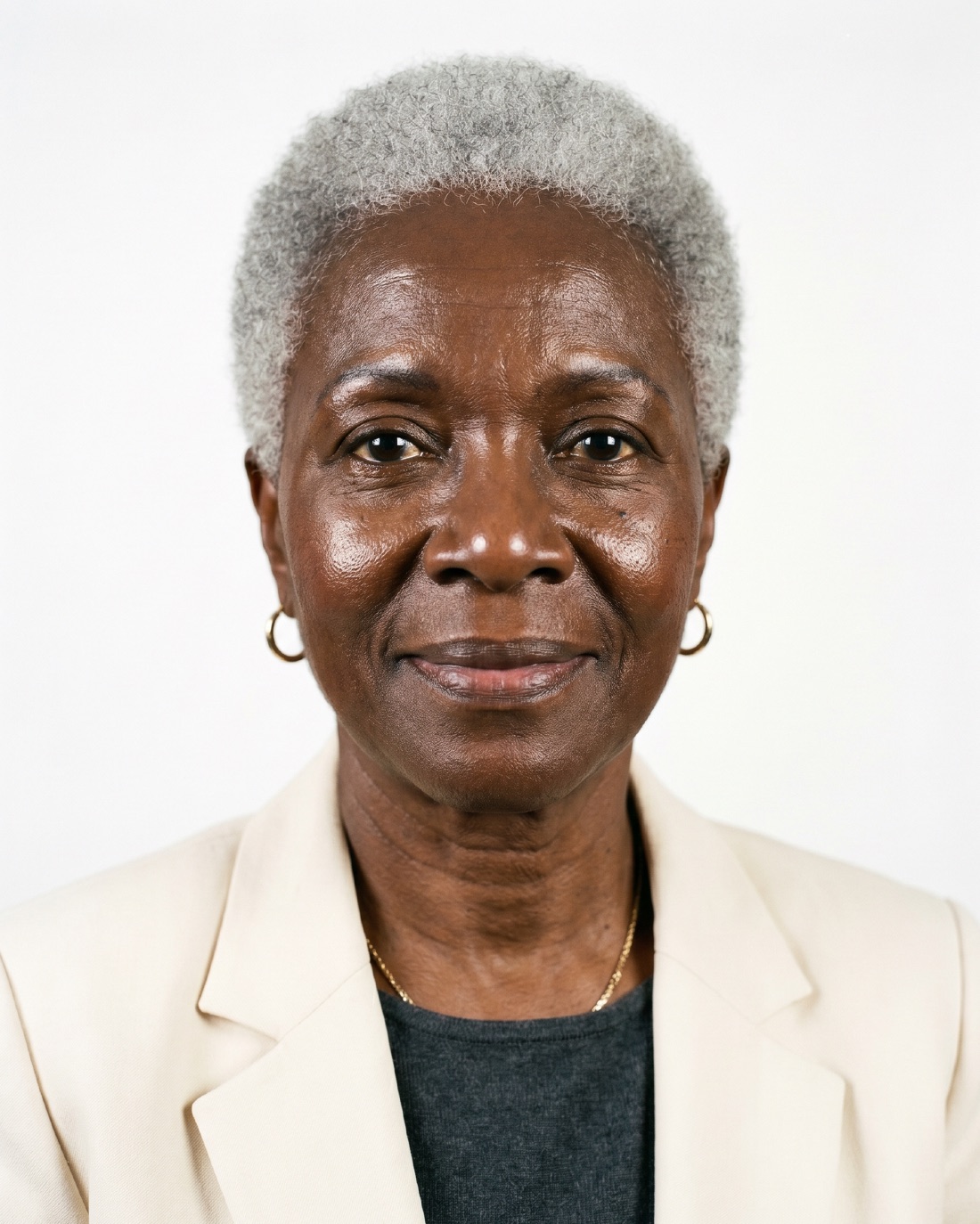
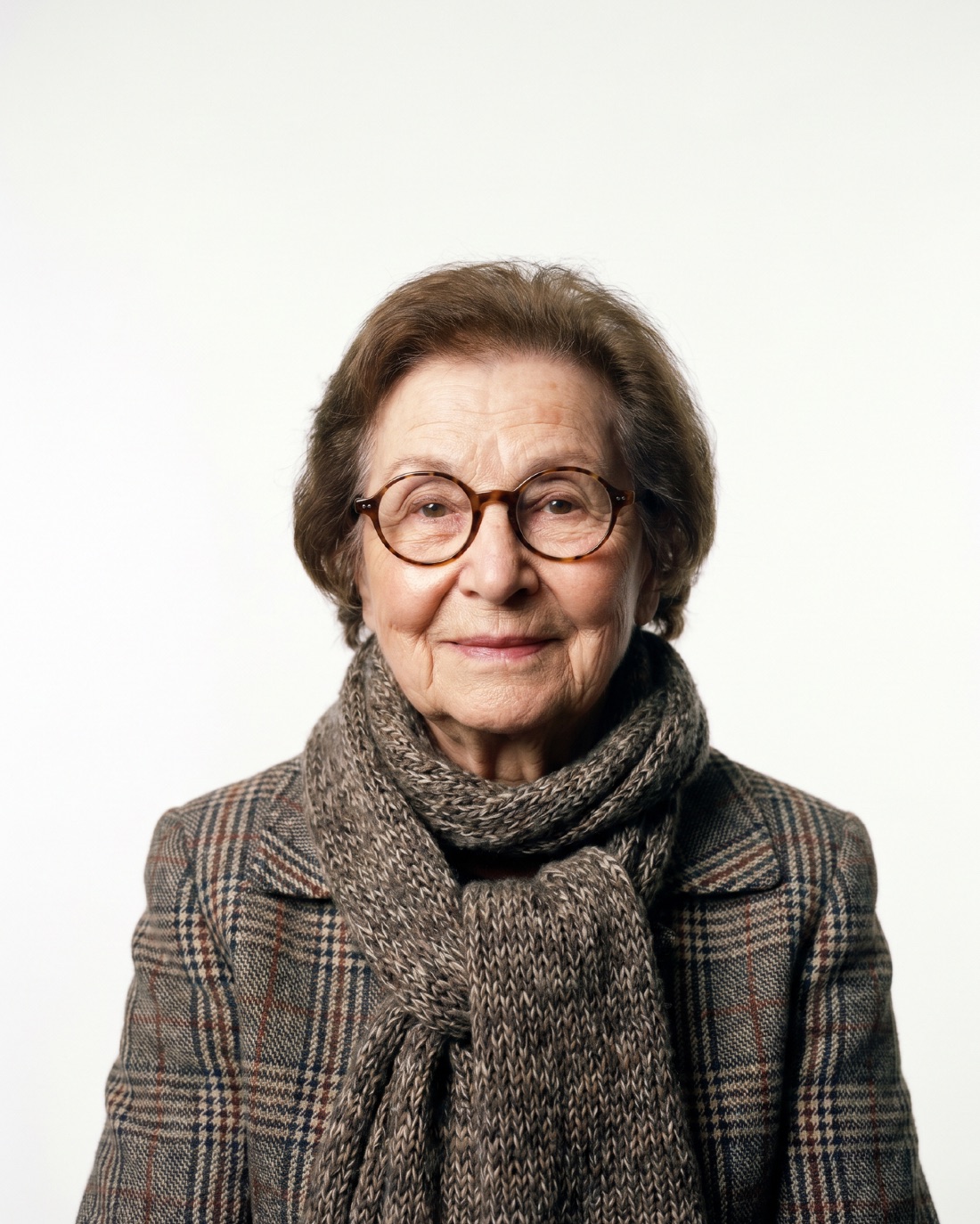
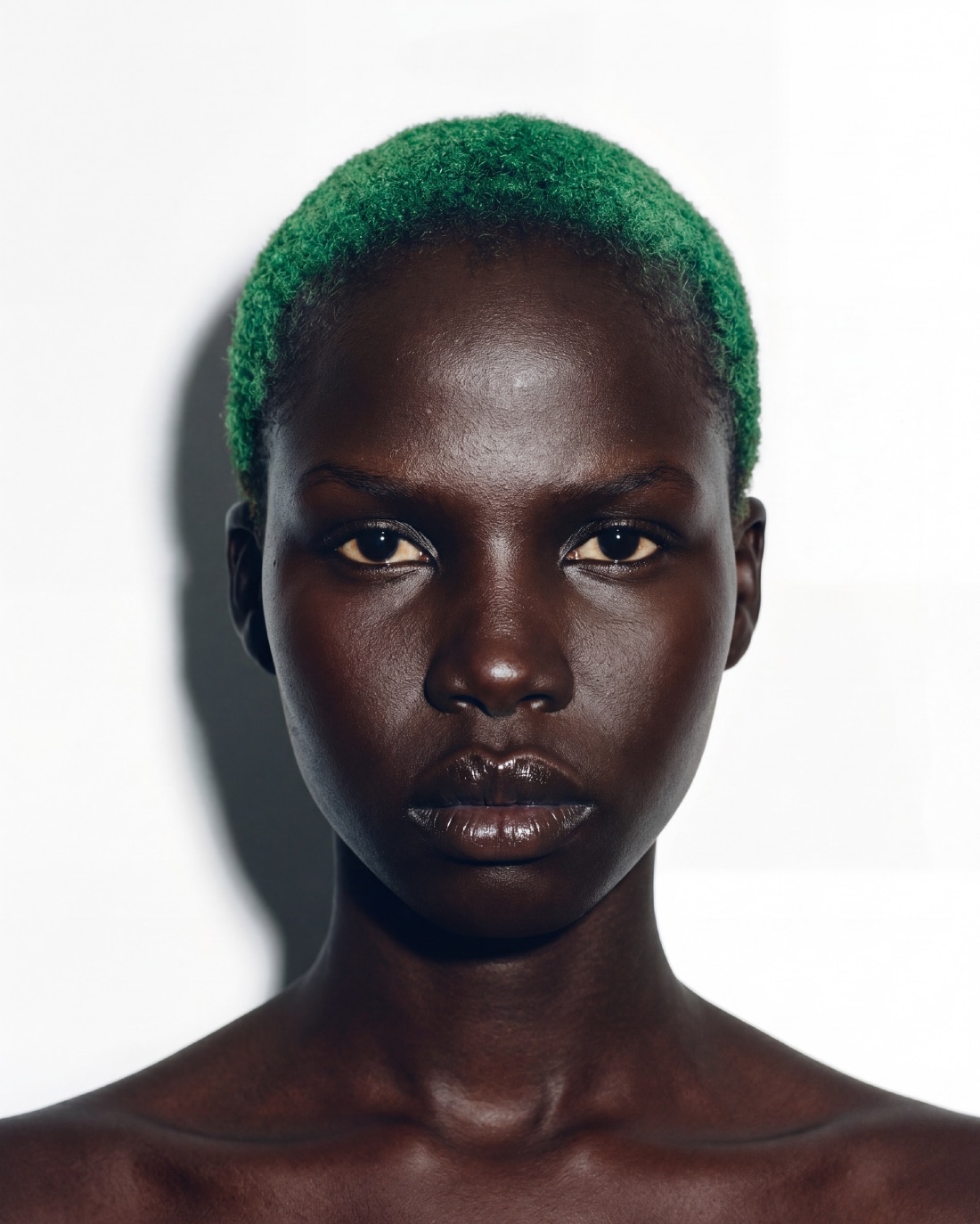
One lighting setup, one lens, one ground. Only the person changes, which is the only way to compare them honestly.
A face you can keep.
A booked model is a licence with a clock on it: a territory, a term, a media list, and a renegotiation the day the campaign works. A generated face has none of that. It can carry a brand for as long as the brand wants it, appear in a market that was never in the original buy, and come back next season without a re-shoot or a rebook.
It also lets a client see the casting before committing to it. The expensive version of this decision is a shoot day. The cheap version is a board like this one.
Generated portraits. Not photographs of real people, and not presented as any real person living or dead.