Beauty & Fragrance
Scent, and the object.
Beautyworld Middle East filled the Dubai World Trade Centre this month. On why fragrance in the Gulf is a ritual rather than an accessory, why the bottle outworks the campaign, and why gifting is the category rather than a season.
Beautyworld Middle East filled the Dubai World Trade Centre earlier this month, and the scale of it tells you most of what you need to know about this market: thousands of exhibitors, buyers from across the Gulf and beyond, and a category that behaves nothing like beauty in Europe or America.
Fragrance in particular is not a Western category with different packaging. It is a different relationship with the product entirely, and brands that arrive without understanding that tend to launch politely and disappear.
Fragrance here is not an accessory
In most Western markets a scent is a finishing touch, bought occasionally, worn lightly. Across the Gulf it is closer to a daily ritual and a form of hospitality. Layering is normal. Oud and its relatives carry weight that no amount of campaign photography can manufacture. Concentration expectations are higher, and a formulation that reads as generous in London can read as thin in Riyadh.
None of that is exotic. It is just market knowledge, and it is the difference between a launch that sells and one that gets complimented.
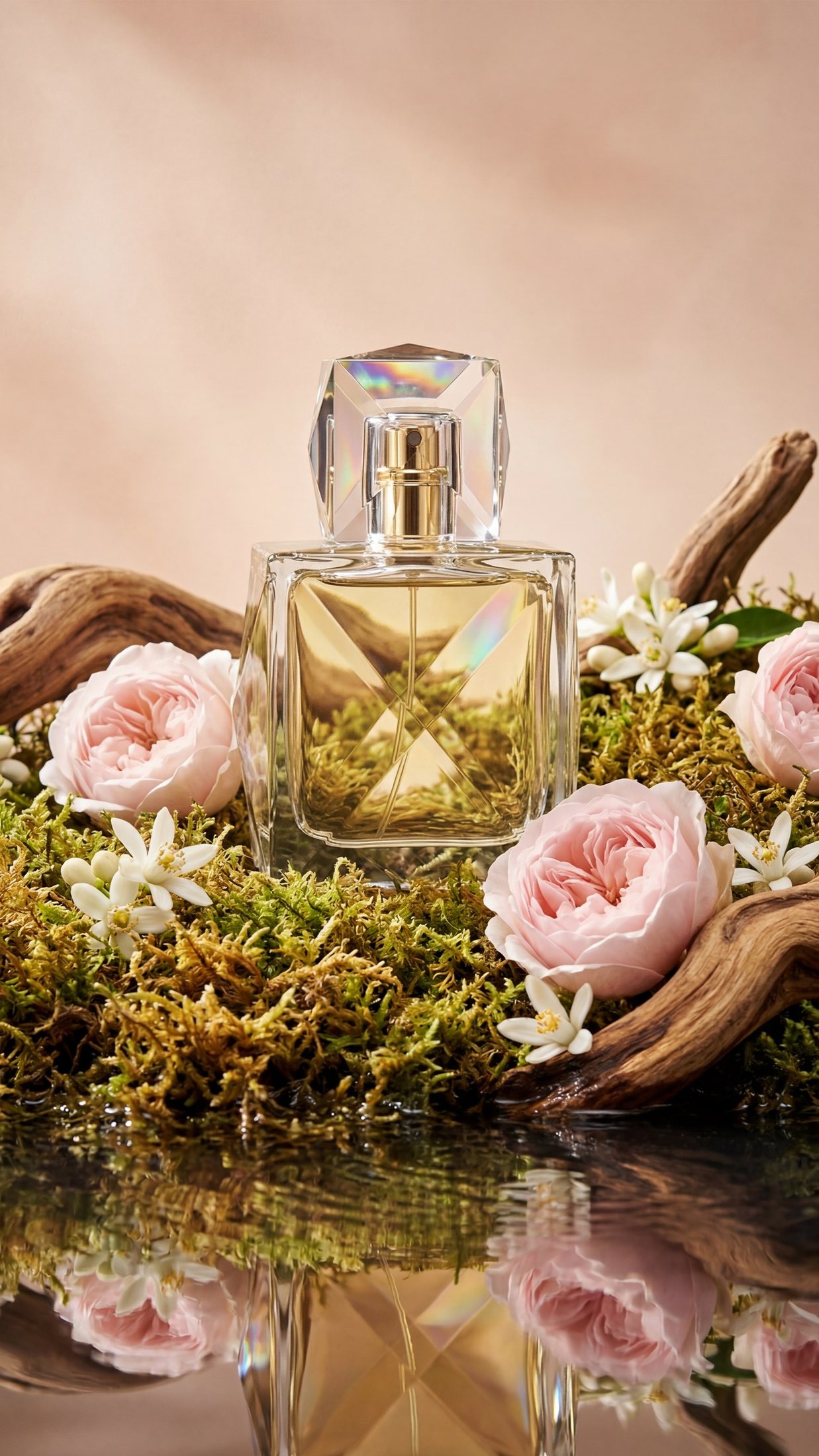
The bottle does more work than the campaign
Fragrance is the one beauty category where the object outlives the marketing. It sits on a surface in someone’s home for months. In a market where gifting is constant rather than seasonal, the bottle and the box are doing the brand’s work long after the campaign has stopped running.
That changes where the budget should go. We built the launch creative for a three-scent celebrity range where the product photography had to survive being the hero on a retailer’s shelf, on a phone screen, and in a gifting context, all from the same assets. The campaign was the cheap part.
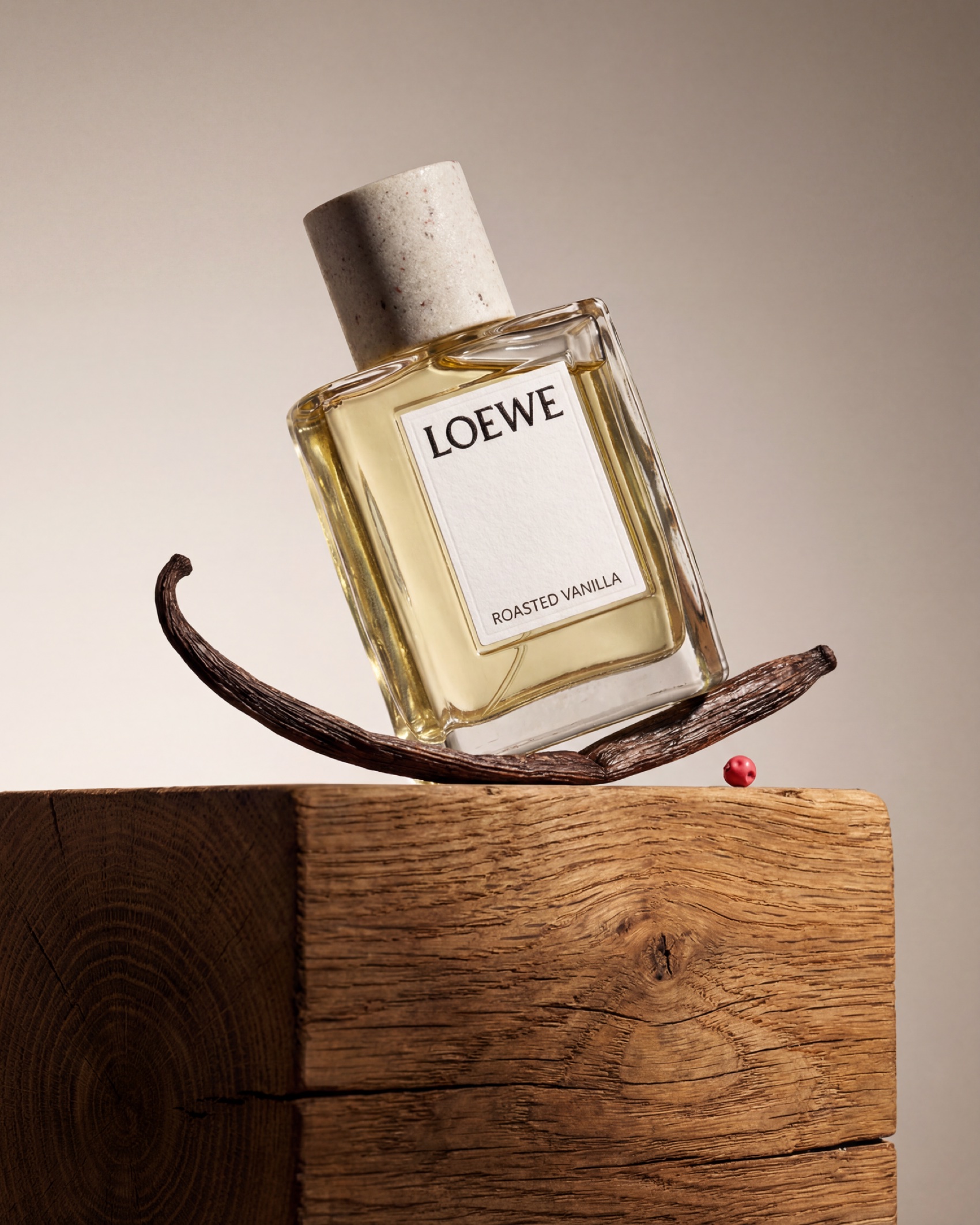
Gifting is the category, not a season
Western beauty plans around Christmas and Valentine’s. Across the Gulf, gifting runs through Ramadan and Eid, through weddings, and through a culture of giving that does not wait for a calendar prompt.
If your brand world has one gifting mode and it is December, you are absent for most of the year in the market you are trying to enter. The practical consequence is unglamorous: you need gifting-ready assets and packaging in rotation year-round, not a seasonal campaign bolted on.
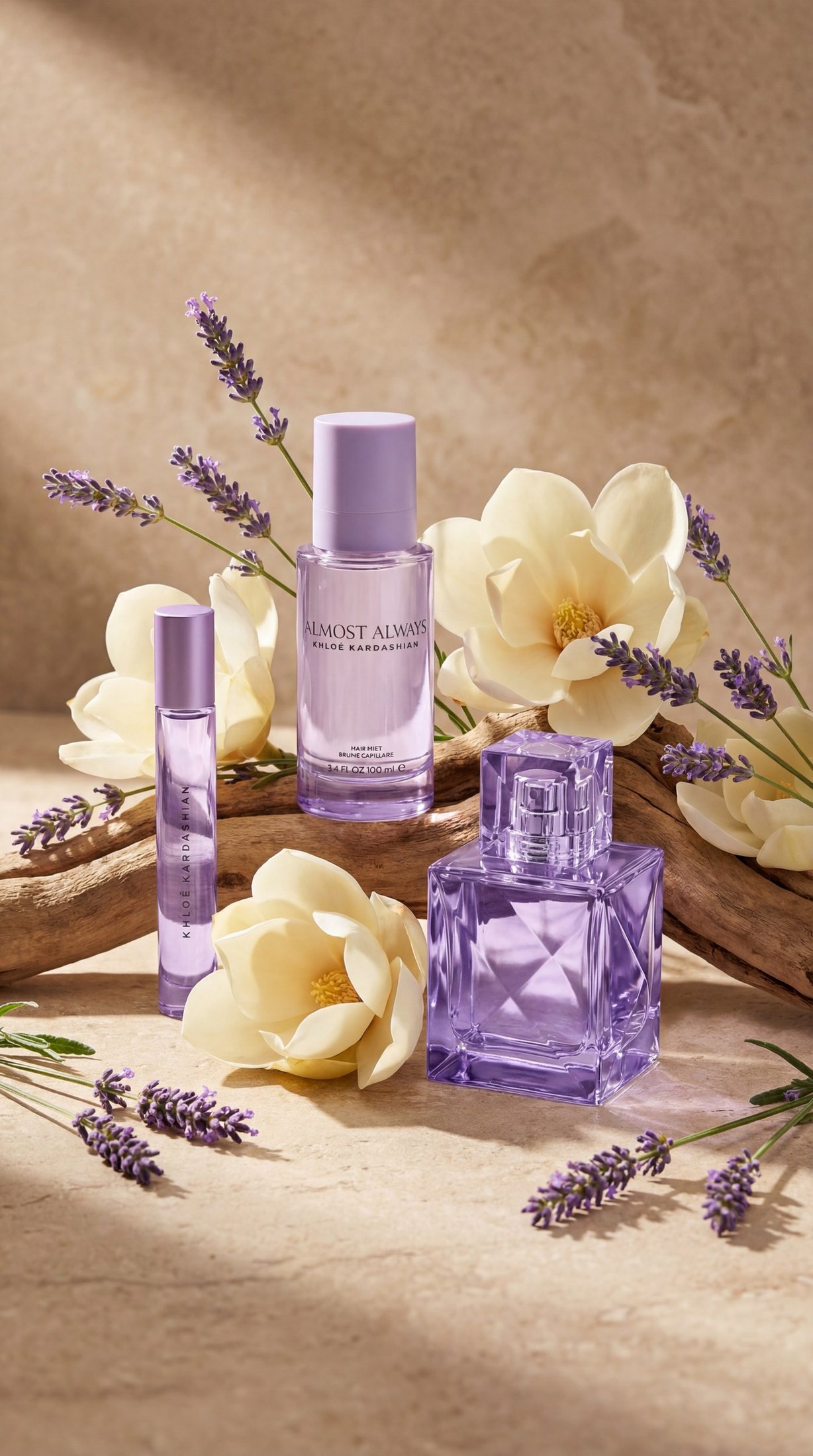
Shelf is still where it is decided
For all the digital spend, this remains a category decided in person, in a mall, by someone picking the box up. The same rules as luxury e-commerce apply in reverse: online you are fighting for attention, in a Gulf mall you are fighting for the moment the box is in a hand.
Which means the tester, the card, the way a sales associate describes the top notes, and the bag it leaves in are not retail details. They are the brand.
What I would tell a house entering the region
Build the system before the campaign. Decide which parts of the identity flex for this market and which never move, and write it down, because you will not be in the room for every local execution.
And resist building a separate Middle East brand. The houses that do well here are not the ones that localised hardest. They are the ones that turned up as themselves, with enough range to be read generously.