Market Entry
Riyadh is not Dubai.
Brands that did well in the UAE tend to treat the Kingdom as the same market with a longer drive. It is not. On what actually transfers across the Gulf, what does not, and why the instinct to localise hardest is usually the mistake.
The Gulf gets discussed in brand plans as a single territory, usually as one line item after Europe. Anyone who has worked across it knows the UAE, Saudi Arabia and Qatar behave like three markets that happen to share a time zone.
The Kingdom is the one most often misread, because it is the one most brands come to last and with the most assumptions already formed.
The UAE playbook does not transfer
Dubai is an entrepot. It was built to be arrived at, and its luxury market reflects that: transient, international, mall-centred, comfortable with brands that turn up fully formed and foreign.
Saudi is a domestic market with a very large young population buying for itself. The customer is not a visitor, the purchase is not a holiday purchase, and the brand is being judged on whether it intends to stay. A launch strategy optimised for footfall and tourist spend reads, in Riyadh, as a brand passing through.
Scale changes the brief
The practical consequence of a market that size is that distribution, retail and recruitment become brand problems rather than operational ones. You will not be in the room for most of what is executed under your name.
Which means the deliverable that matters is not the campaign. It is the system: what flexes, what never moves, and who is allowed to decide. Brands that enter with a beautiful campaign and no architecture spend year two trying to recover consistency they never specified.
Fragrance and jewellery do not behave the way they do at home
Two categories where the Western instinct is reliably wrong.
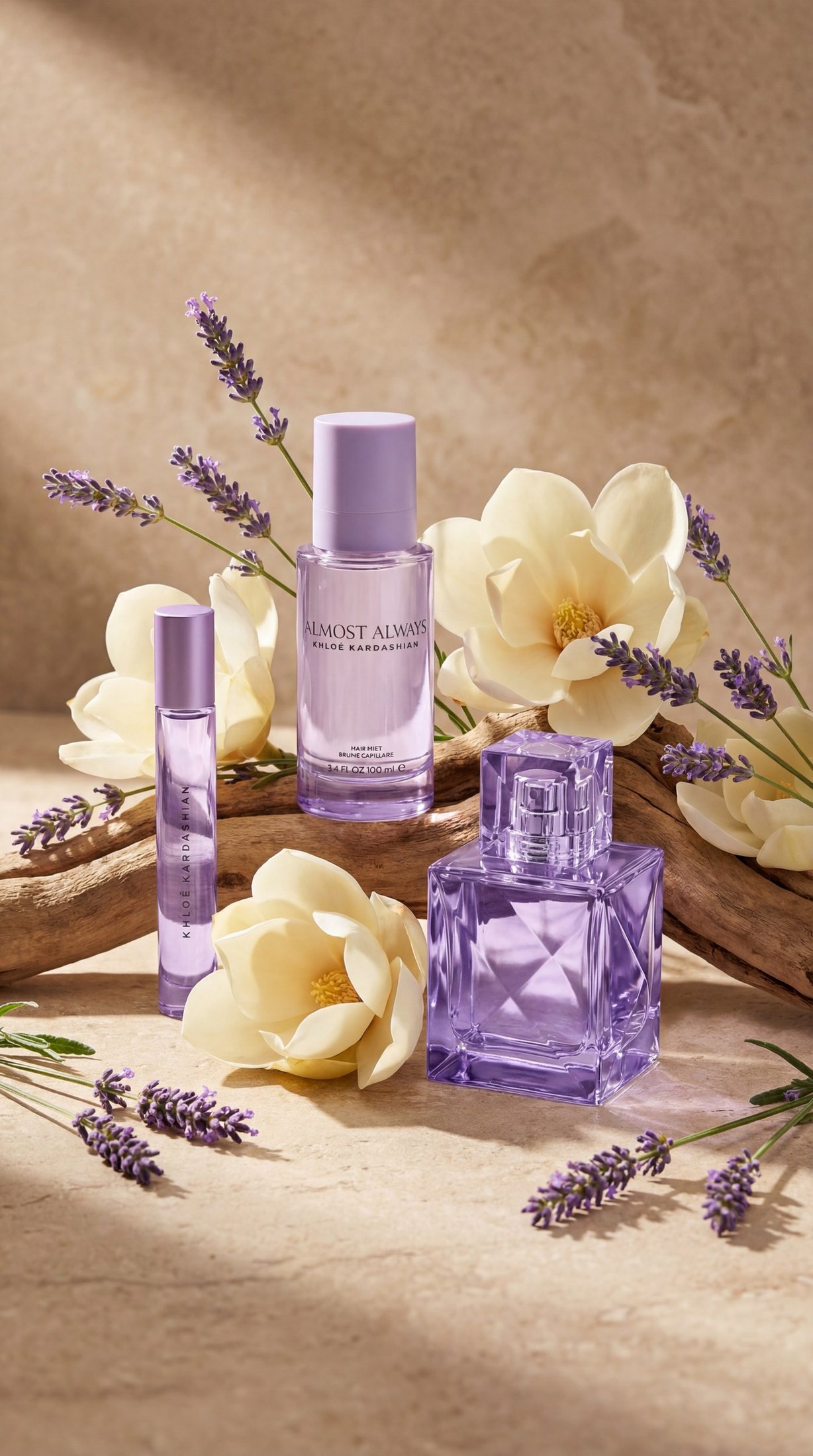
Fragrance across the Gulf is closer to daily ritual and hospitality than to an accessory, with layering normal and concentration expectations higher than European formulations usually meet. We have written about this at length, and the short version is that the bottle outworks the campaign because gifting runs year round rather than at Christmas.
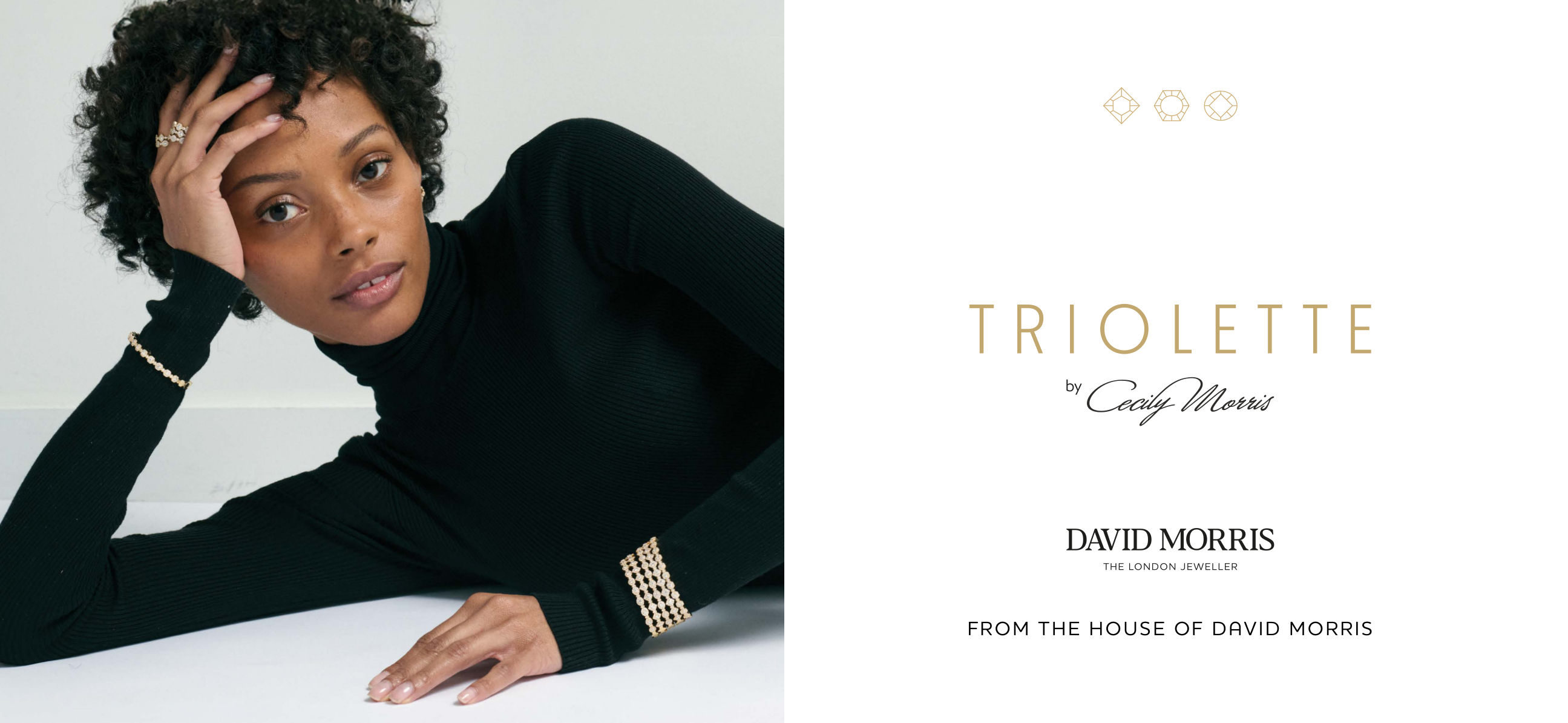
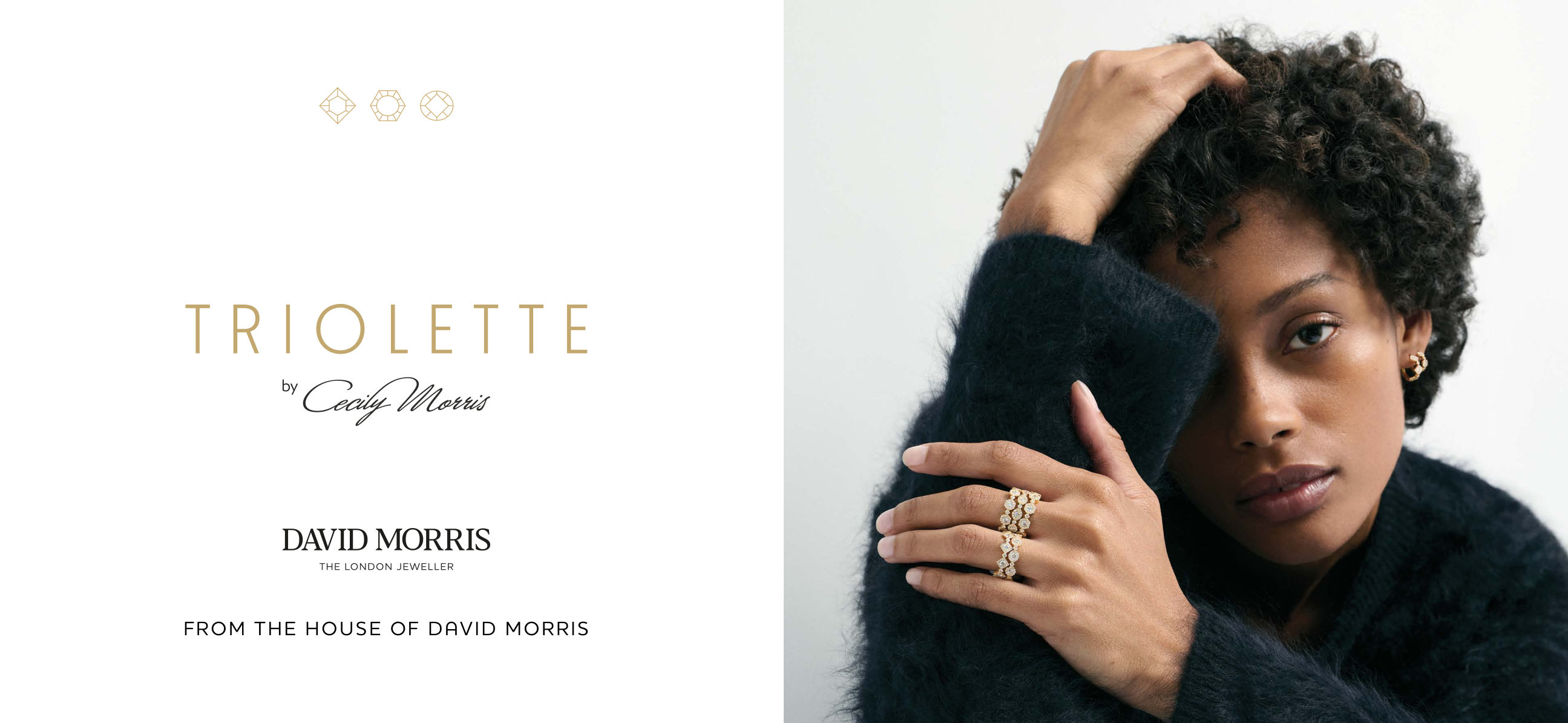
Jewellery is the other. In this region it is bought with an understanding of stone, weight and provenance that most European marketing is not written for, and it is frequently bought by and for families rather than individuals. High jewellery here is a different conversation, and a campaign that leads on self-purchase and independence is answering a question nobody asked.
Arabic is not a translation job
Most brands treat the Arabic lockup as the last item on the asset list, produced by someone who does not read it. It shows, and it is the single fastest way to tell a local audience that you are not serious.
A bilingual identity is a type design problem. The Arabic has to carry the same weight, rhythm and personality as the Latin, not simply sit next to it at the same point size. Budget for it properly and commission it from someone who reads the script.
The localisation instinct is usually the mistake
The common failure is not insufficient localisation. It is a brand that arrives apologetic, sands off everything distinctive, and builds a separate Middle East identity that pleases nobody and confuses the global one.
The houses that do well in the Kingdom turn up as themselves, with enough range in the system to be read generously, and with real commitment to being there in three years. Respect for the market shows in the quality of the Arabic typography and the seniority of the local hires, not in a different colour palette.
What I would tell a brand entering the Kingdom
Go once before you plan anything. Most of the assumptions survive about four hours of being there.
Build the system before the campaign, commission the Arabic properly, and decide in advance which parts of the identity are allowed to flex locally and which never move. Premium and luxury are not the same position, and the Kingdom is a market that reads the difference quickly.